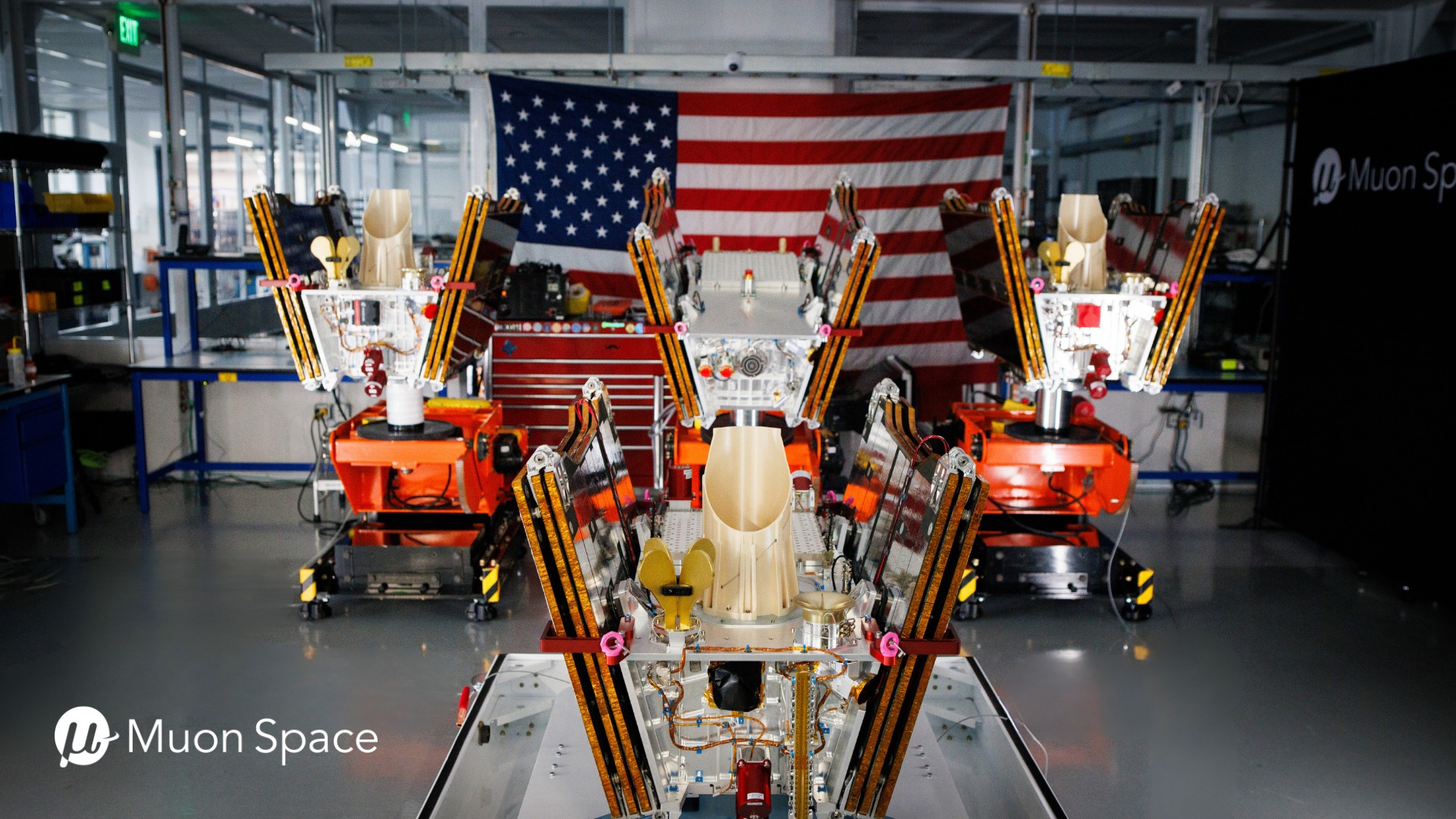
Satellite manufacturer Muon Space said it is refocusing its business strategy on building constellations rather than one-off spacecraft, as analysts forecast rapid growth in the number of satellites in orbit over the coming decade.
Chief Executive Jonny Dyer said the company already has about 20 satellites scheduled for launch within the next 20 months and expects additional contracts to be finalized this year.
Near-term missions include three radio-frequency sensing satellites for Sierra Nevada Corporation slated for launch in the first quarter, and three wildfire-monitoring spacecraft for the Earth Fire Alliance expected to launch later this year.
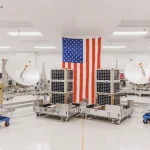
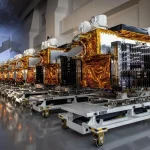
The strategic shift follows a period of expansion for the company. Muon last year completed a $44.5 million extension to its Series B funding round, bringing total equity raised to about $135 million. It also acquired propulsion startup Starlight Engines, expanded its workforce, and moved into a new facility designed to produce up to 500 spacecraft annually.
Muon has also agreed to integrate SpaceX’s Starlink laser communication terminals into its Halo satellite platform, aiming to enable connectivity through the Starlink network as early as 2027.
The company said it has vertically integrated more than 90% of the components of its largest platform, MuSat XL, and intends to use that capability to deliver end-to-end services rather than standalone hardware.
“We’re just seeing a huge amount of positive response from the end-to-end approach we’re taking,” Dyer said. “[We’re] not just selling a bus or a piece of the problem…but everything from the spacecraft, also all of the integration, the operations, the data pipelines, [and] the network.”
Payloads on the company’s manifest include systems for hyperspectral imaging, thermal infrared sensing, radio-frequency monitoring, and atmospheric data collection. Muon has also secured U.S. Department of Defense contracts, including Small Business Innovation Research (SBIR) awards related to environmental monitoring and missile-warning capabilities.
Dyer said the company’s goal is to tailor complete mission solutions to customer needs rather than maximize factory output. “The point of our business is not building the biggest satellite factory in the world. It is tailoring the technologies that we have to customers’ actual needs, and delivering them a complete solution,” he said.
Muon is also exploring mergers and acquisitions to bring more of its supply chain in-house and broaden the range of missions it can support, as competition intensifies in the rapidly expanding satellite market.