Northwood Space has raised $100 million in a Series B funding round to expand its ground-based space infrastructure, positioning the company to support a growing number of complex missions in orbit, it said on Wednesday.
The round was co-led by Washington Harbour Partners and Andreessen Horowitz, commonly known as a16z, with participation from Alpine Space Ventures and other investors, according to a company statement. The financing comes less than a year after Northwood closed a $30 million Series A round.
“It really reflects…a lot of activity and progress on the Northwood side that reflects the importance of ground as an enabler for pushing forward more capable missions on shorter timelines,” chief executive Bridgit Mendler said at a virtual media roundtable.
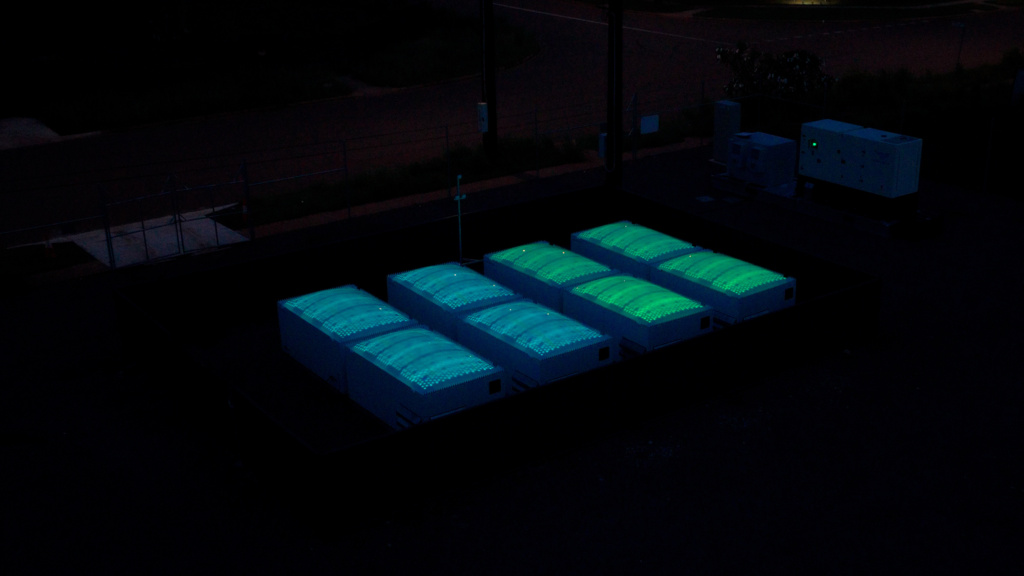
Founded in 2024, Northwood develops phased-array ground systems designed to support satellite communications and control. The new funding will be used to scale production of its Portal ground systems, strengthen the company’s supply chain and acquire additional sites to host infrastructure, the company said.
Northwood said it is now capable of producing eight Portal systems per month, with installations operational on two continents. At its most recent site, the company installed and activated a system within 12 hours and began operations the following day, according to a blog post.
Alongside the funding announcement, Northwood disclosed it had secured a $49.8 million, three-year contract with the U.S. Space Force to support the military’s Satellite Control Network (SCN). The SCN is used to track satellites, including those maneuvering after launch or experiencing anomalies in orbit.
The contract followed a demonstration conducted in October 2024 with Planet Labs, after which the Space Force’s Space Systems Command engaged Northwood to help improve the responsiveness of the network. According to the company, the Space Force is seeking greater flexibility as the number of satellites in low Earth orbit expands rapidly due to the deployment of large constellations.
“They have chosen to work with us so we can increase their capacity, and support this variety of important space missions in a new and evolving way,” Mendler said.