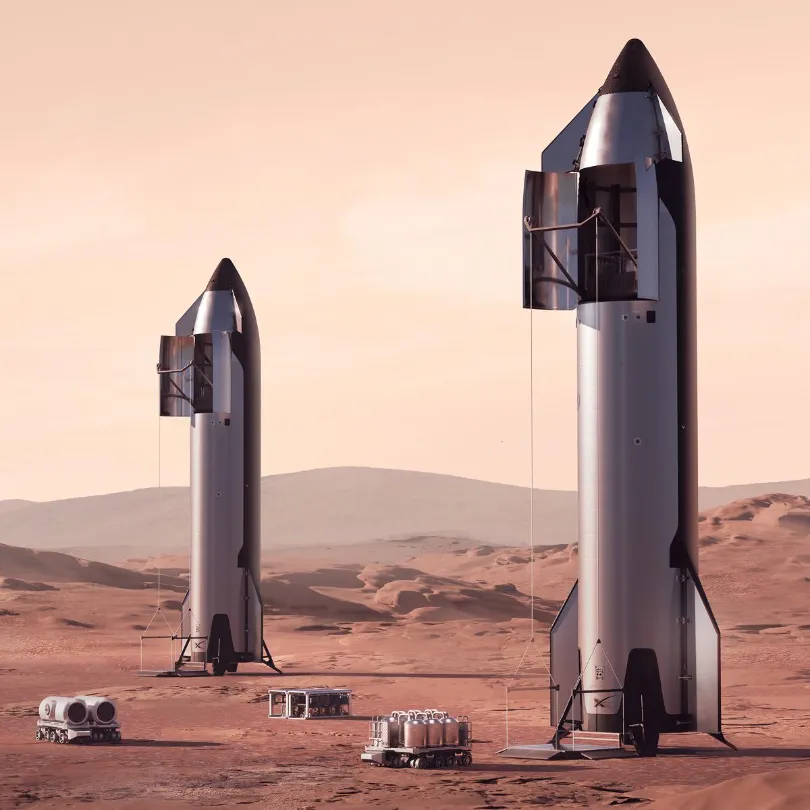
The decision represents one of the most aggressive product-transition bets in aerospace history. Falcon 9 is the world’s most-flown orbital rocket and a proven revenue engine. Declining paying customers on a working vehicle in favor of one still in its test-flight phase is a move without real precedent at this scale.
Starship’s most recent test, Flight 12, flew in May using the S39 prototype, described as the first third-generation spacecraft. Flight 13 has since run into difficulty. The launch was scrubbed on July 16 after two Raptor engine issues, then delayed again by weather on July 23, with another attempt pushed to July 24.
Separately, Google disclosed a $94.1 billion valuation of its SpaceX stake this week. The stake represents a 6 percent share and includes $80 billion in short-term restricted shares and $14.1 billion restricted through 2027.
The significance of the booking policy is straightforward. By declining Falcon 9 launches beyond 2028, SpaceX is voluntarily surrendering market share on a vehicle that works to force adoption of Starship. If Starship stumbles, that surrendered share may not be easily recovered.
The immediate milestone to watch is Flight 13, with the next launch attempt scheduled for July 24 following the engine and weather delays. If Starship is still contending with engine issues and weather scrubs when 2028 arrives, SpaceX will have walked away from the most dominant launch market position any company has ever held.