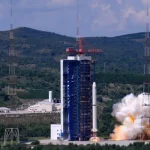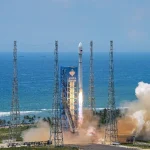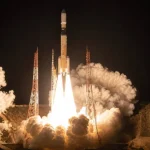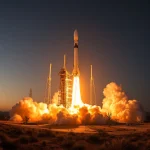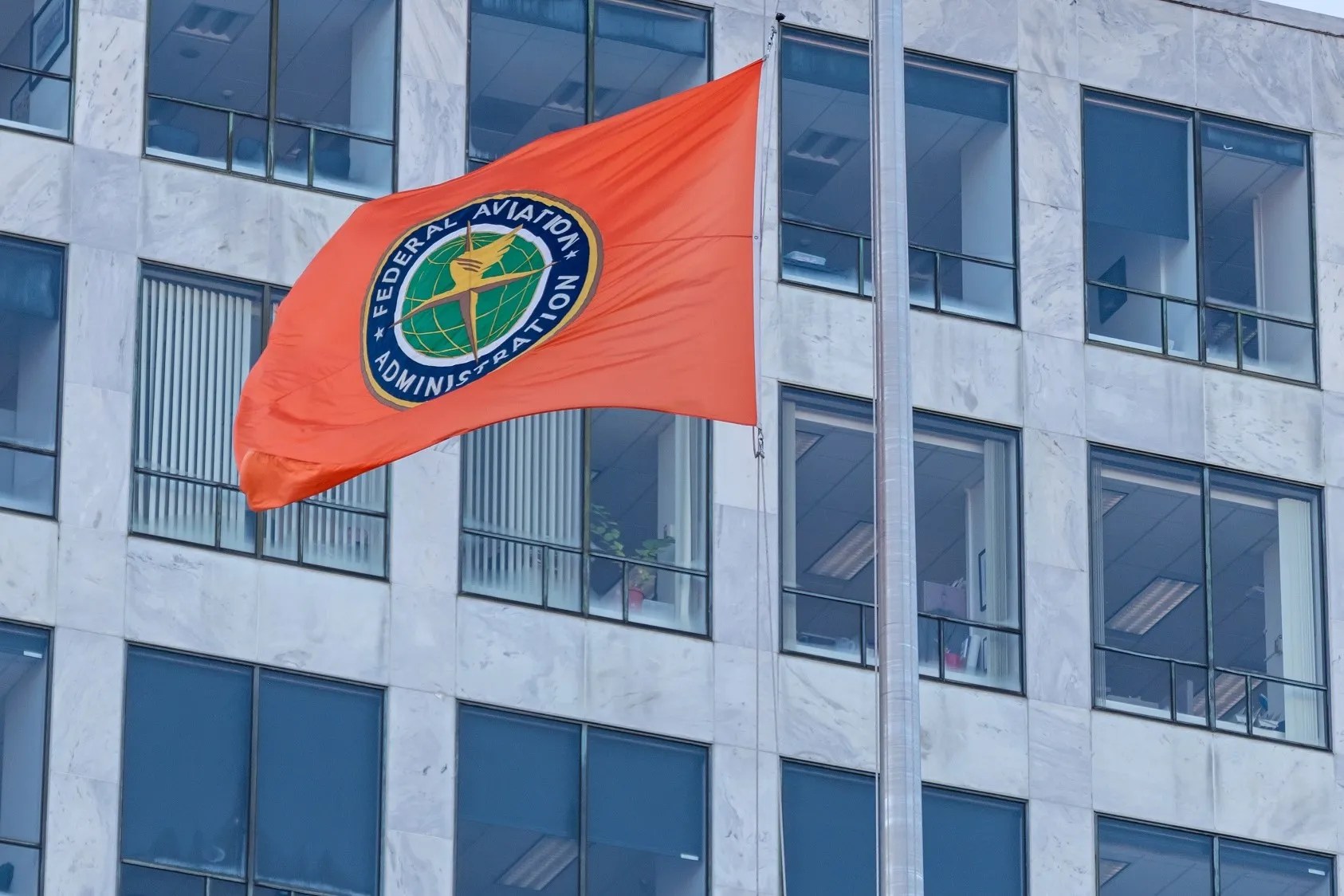
Commercial airlines should plan for an increased risk from space launch and reentry activity, including rare but potentially serious debris events, the Federal Aviation Administration said in guidance issued earlier this month, as the pace of spaceflight accelerates.
In a Safety Alert for Operators, SAFO 26001, the FAA advised carriers and flight crews to prepare for reroutes, additional holding fuel, alternate airports and crew training to respond if air traffic control activates a Debris Response Area following a launch or reentry mishap. The alert does not create new regulations but sets out operational expectations for airlines.
The FAA said the guidance reflects a sharp rise in launch activity. The agency licensed a record 148 launch and reentry operations in fiscal year 2024 and forecasts it could oversee an annual average of roughly 200 to 400 such operations by 2034. Many launch corridors and reentry paths intersect airspace routinely used by commercial flights.
The risk is low but not theoretical. A SpaceX Starship failure in March 2025 scattered debris and prompted temporary ground stops at major Florida airports, delaying and diverting hundreds of flights, according to FAA and airline disclosures at the time.
The FAA’s alert urges airlines to review space launch hazard information during flight planning, including Notices to Air Missions and airspace management plans tied to launch windows; anticipate delays and reroutes and plan fuel accordingly; identify alternate airports in advance; and maintain heightened situational awareness because debris can extend beyond initially designated response areas. The agency also noted that Debris Response Areas are not issued in non-radar or oceanic airspace, a limitation relevant to long-haul routes.
Beyond aviation operations, researchers have flagged environmental implications from increased space activity. A 2024 technical report by NASA warned that emissions from vaporizing debris and spent rocket stages during reentry could rise sharply in coming decades. Separate academic work has estimated that the reentry of a typical small satellite can generate aluminum oxide nanoparticles that persist in the upper atmosphere, while NOAA research has highlighted the warming effects of black carbon injected into the stratosphere by rocket launches.
The FAA said the alert is intended to help airlines adapt as aviation and space operations increasingly share the same airspace at different times. Industry officials and analysts say further gains will likely depend on faster detection, clearer communication and more responsive routing tools as launch activity continues to grow.