Radiation-hardened chips and thermal systems can be engineered. But every space computing mission faces a bill it cannot avoid: getting the hardware into orbit. Launch is only one part of that bill, yet its price can determine whether a mission makes commercial sense.
What Goes Into the Bill?
Satellite development: Designing, building and testing the spacecraft platform and computing payload. This is often the largest expense.
Launch services: Transporting the satellite to its required orbit. Price depends on mass, destination and whether the customer buys a dedicated launch or shares one.
Insurance: Coverage for risks such as launch failure or a malfunction in orbit. The premium varies substantially by mission.
Operations: Ground stations, flight control, data links and the team that runs the satellite throughout its life.
How Far Have Launch Prices Fallen?
Launch prices are often compared in dollars per kilogram, but that figure needs context. NASA has estimated the Space Shuttle’s cost at more than $20,000 per kilogram to low Earth orbit. SpaceX’s published Falcon 9 price and maximum payload capacity imply a figure in the low thousands of dollars per kilogram if the rocket is fully loaded. That calculation is a benchmark, not the price every satellite customer pays.
Reusable rockets have helped bring launch prices down. Further reductions are possible as vehicles fly more often and carry more payload, but forecasts of launch for only tens of dollars per kilogram remain unproven.
China is also advancing reusable launch vehicles. In August 2026, LandSpace reported that its Zhuque-3 rocket placed a satellite in orbit and landed its first stage. The next commercial test is whether recovered stages can be refurbished and flown again at a cost and pace that lower customer prices.
A Dedicated Rocket or a Shared Ride?
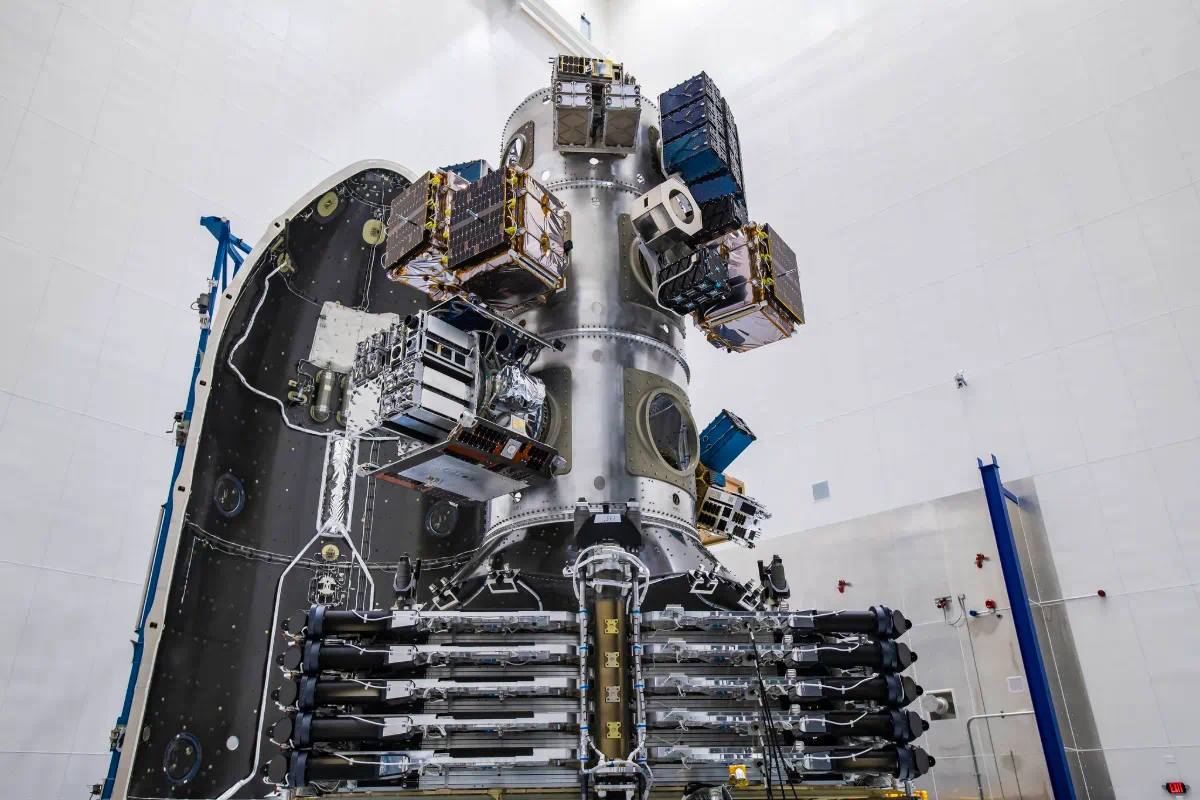
A satellite operator does not have to book an entire rocket. On a rideshare mission, multiple customers share a launch, with each paying for its payload’s place on board. SpaceX’s Transporter missions have carried more than 100 payloads on a single flight.
For a space computing startup, rideshare can lower the cost of launching a first demonstration satellite. STARPATH GLOBAL can help plan a custom satellite from payload design through launch integration and delivery in orbit. If the upfront investment is still a barrier, its financial solutions offer another way to structure the project’s costs.
What Is a Reusable Rocket?
The first stage provides much of a rocket’s thrust during the opening minutes of flight. A reusable design brings that stage back for inspection, refurbishment and another mission. Some Falcon 9 boosters have flown more than 20 times. Reuse spreads hardware costs across flights, although recovery and refurbishment also cost money.
The Number That Matters
Lower launch prices improve the economics of space computing, but they do not settle the business case by themselves. Satellite development, power and thermal hardware, communications and operations must also fit the value of the service delivered to customers.
That is why mission planning starts with the workload: what must be processed in orbit, how quickly an answer is needed and what the complete service can cost. STARPATH GLOBAL combines its software capabilities with access to satellite data and China’s established spacecraft supply chain. Teams exploring a computing payload or custom satellite can share their requirements to identify a practical mission design.
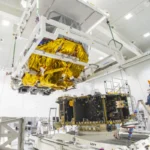
Feature image: The dispenser carrying Transporter-1’s 143 satellites before the payload fairing was installed. Credit: Ben Cooper.