
Author: starpathwp-production
-

What is the difference between optical and SAR satellite imagery?
Optical and Synthetic Aperture Radar (SAR) imagery are two of the most widely used forms of satellite data, but they differ significantly in how information is collected and the types of insights they provide. Optical imagery functions in a manner similar to traditional photography. Optical sensors capture reflected sunlight from the Earth’s surface across visible…
-
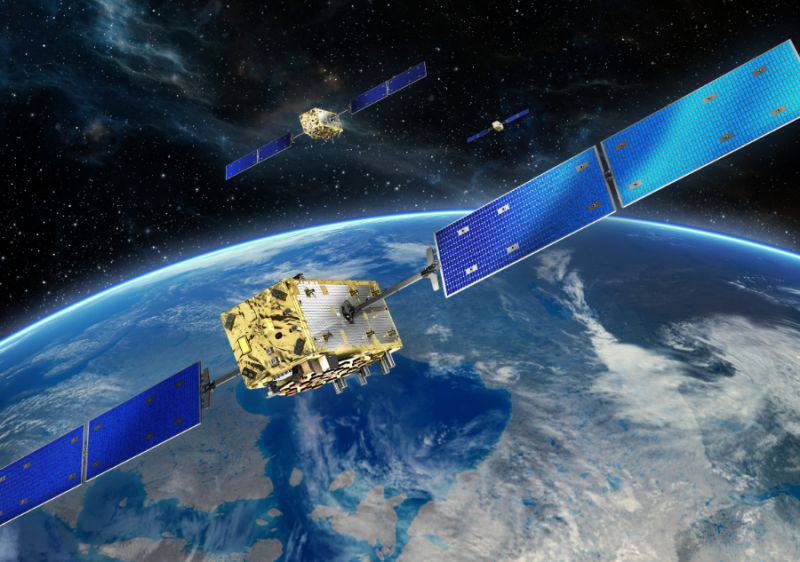
What resolution options are available for satellite imagery?
Satellite imagery is available in a wide range of spatial resolutions, allowing organizations to select data products that best match their operational, analytical, and budgetary requirements. Spatial resolution refers to the size of the ground area represented by a single pixel in an image. In general, higher-resolution imagery provides more detail but may involve larger…
-
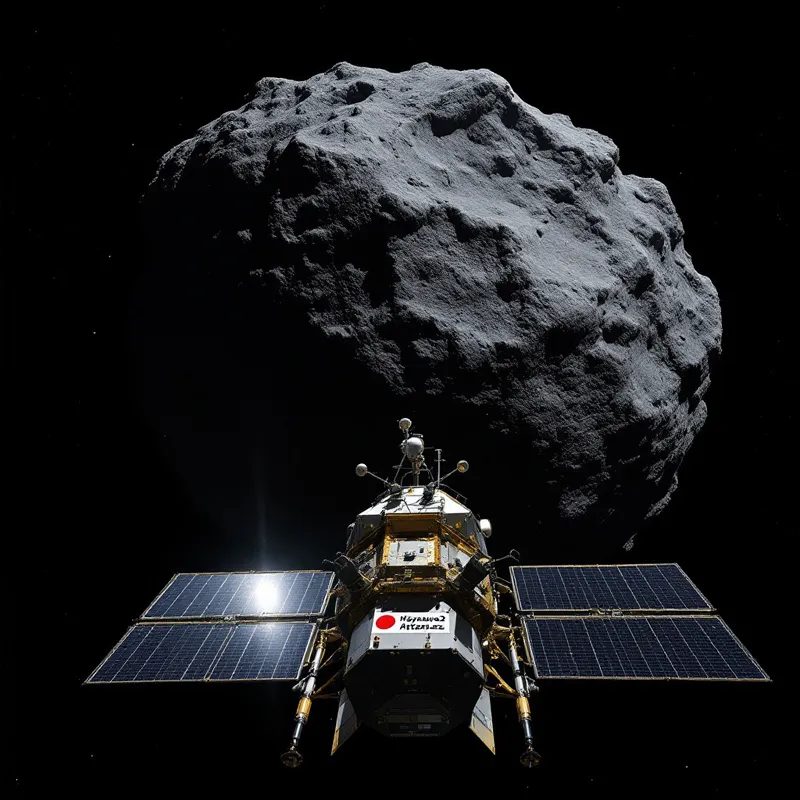
Hayabusa2 Targets July 5 Flyby of Asteroid Torifune in One of the Closest Encounters Ever Attempted
Hayabusa2 launched in December 2014 and rendezvoused with Ryugu four years later, collecting samples and returning them to Earth in 2020 to complete its primary objectives. Despite briefly entering a protective safe mode last year, the spacecraft has continued operating well and now pursues new science targets as part of its extended mission. Satoshi Tanaka…
-
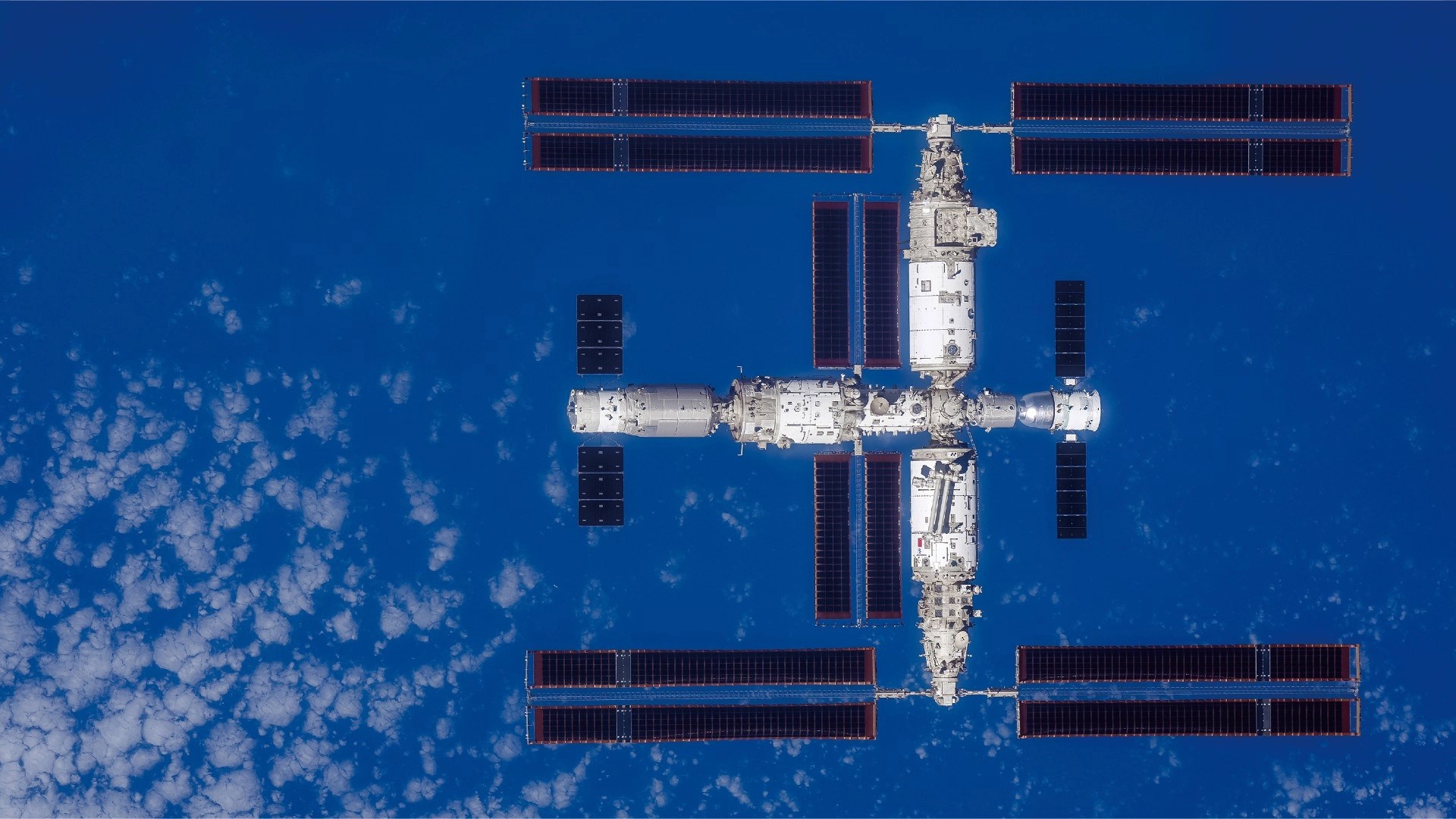
China Plans Expansion of Tiangong Space Station with New Module
China is preparing to expand its Tiangong space station by adding a new multifunctional module that will transform the orbital outpost from its current T-shaped configuration into a cross-shaped structure. The expansion represents the next phase of the station’s long-term development plan and is intended to increase scientific research capacity, support more frequent missions and…
-
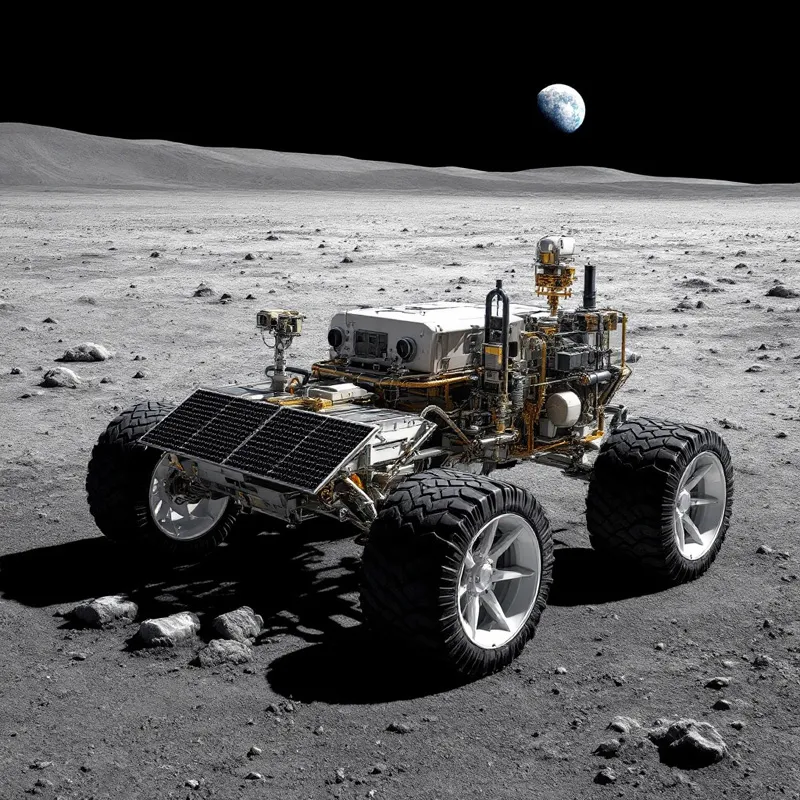
NASA Taps Two Companies to Land Lunar Rovers Before Artemis Crew Arrives
The selection, announced May 26, narrows a field that began with three companies competing for an LTV contract NASA announced in 2024. That original competition would have produced a single rover capable of surviving on the lunar surface for a decade. Instead, NASA asked companies for a simpler design that could be ready in time…
-
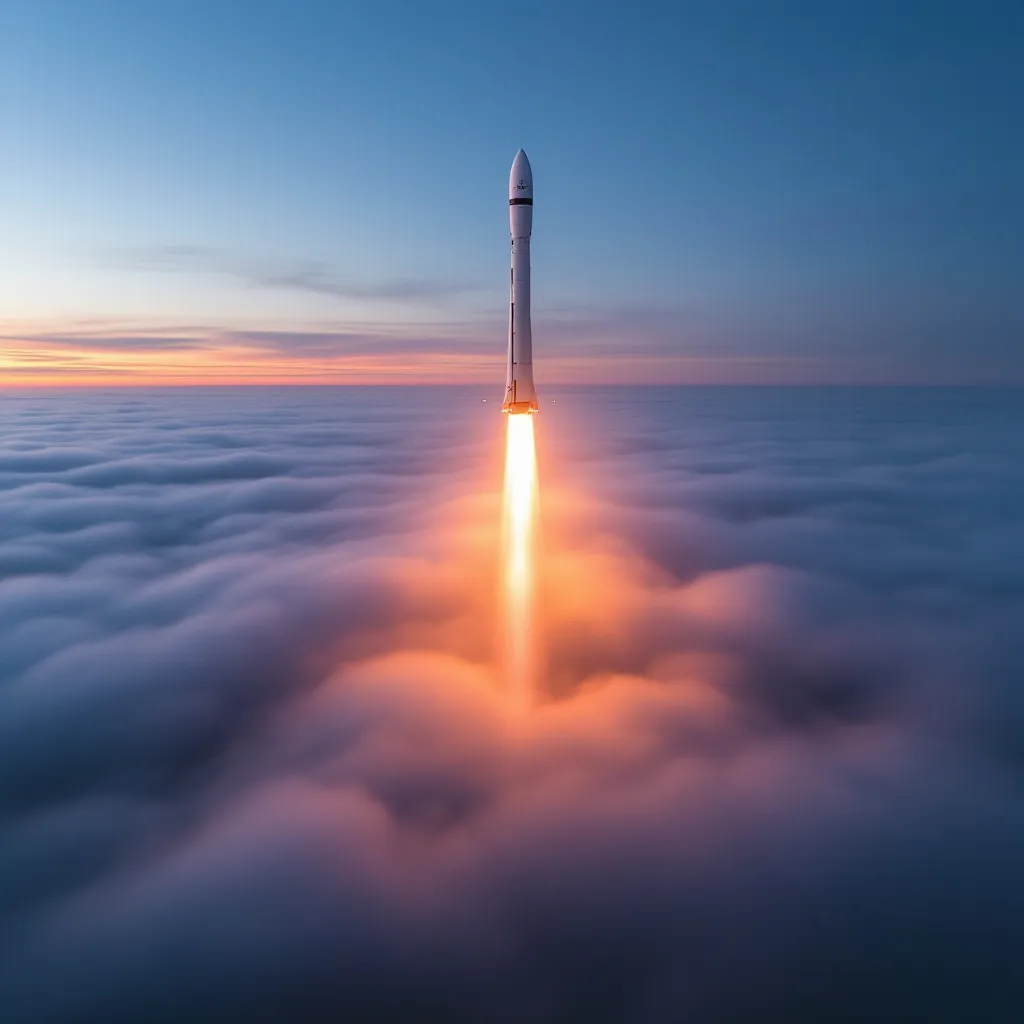
Rocket Lab Marks 10th Straight Success for Synspective With “Ten Owl of Ten” Launch
The flight had been delayed from its original schedule by a responsive space mission that took scheduling priority. That tradeoff reflected a launch manifest now complex enough to require active sequencing decisions. Synspective, a Japanese radar-imaging company, has flown all ten of its dedicated missions on Rocket Lab vehicles. Every one of those ten flights…
-

SpaceX Plans Eight-Mile “Starpipe” Natural Gas Line to Fuel Starship in Texas
The project was not announced publicly by SpaceX. It surfaced through local government records, which detail the planned pipeline and its construction timeline. According to those filings, Starpipe will run eight miles to SpaceX’s launch site in Texas. Construction is scheduled to begin next month. The pipeline’s stated purpose is to supply natural gas to…
-

Canadian Firms Land $1.7 Billion in Japanese Space Deals Days After New Transfer Pact Takes Effect
The agreements were enabled by the Canada-Japan Equipment and Technology Transfer Agreement, which entered into force on June 16, 2026. The pact creates a bilateral framework for exchanging restricted equipment, technology, and intellectual property between the two countries. MDA Space and RSAT Space were the named Canadian winners from the mission. Both companies signed satellite…
-
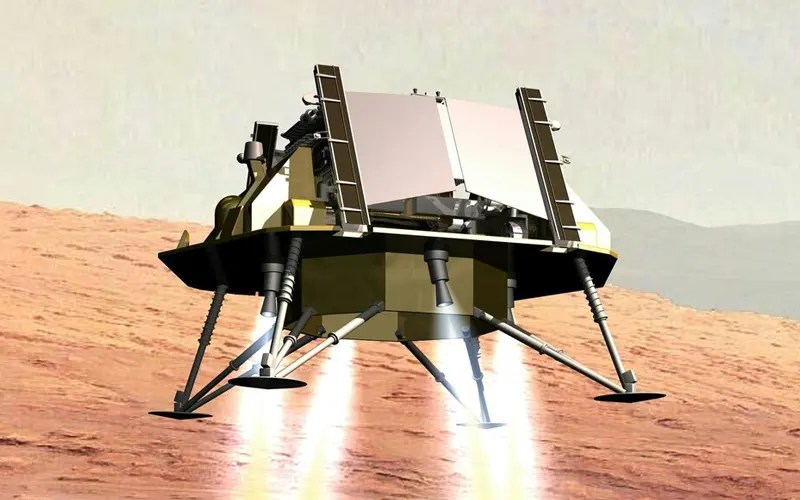
NASA Delivers First Braking Engines for ESA’s Rosalind Franklin Mars Mission
NASA has delivered the first braking engines for the European Space Agency’s (ESA) Rosalind Franklin Mars mission, marking an important milestone in the agencies’ collaboration to return the rover mission to flight. The braking engines are one of three major contributions NASA is providing to the mission, alongside launch services and Radioisotope Heater Units (RHUs)…
-
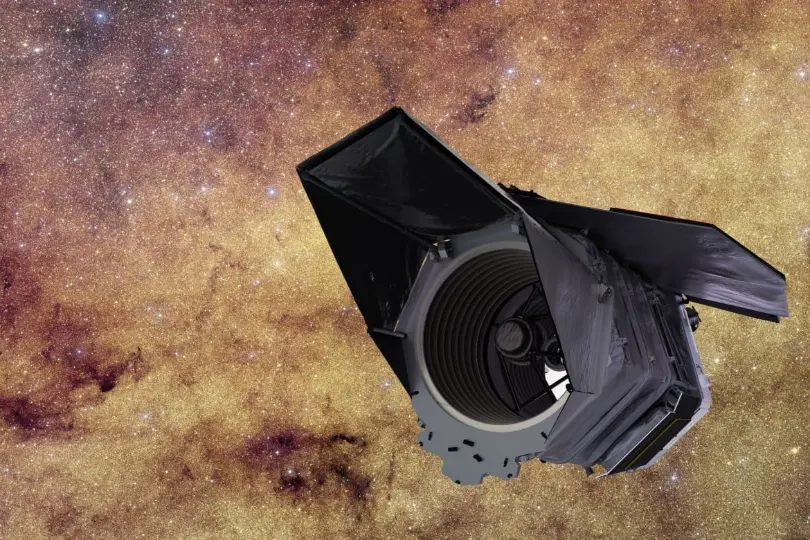
Euclid studies Milky Way center, supports future Roman observations
The European Space Agency (ESA) recently released a new picture of the center of the Milky Way galaxy, an area known as the galactic bulge. Containing over 60 million stars, the picture, taken by ESA’s Euclid space telescope, represents the largest and most detailed photo of this region to date. Euclid observed the area outside…