
Author: starpathwp-production
-

Redwire Expands Phased-Array Antenna Investment as Military Space Networks Shift Toward Proliferated Architectures
Redwire announced on Aug. 25 a strategic investment in next-generation phased-array antenna technology aimed at supporting emerging military space communications networks, expanding the company’s position in a market increasingly focused on resilient, distributed satellite architectures. The investment targets the next generation of space-based military connectivity, accelerating development and production of electronically steerable antenna systems designed…
-

Starlink Ephemeris Data Enable First Real-World Tomographic Map of Thermospheric Density
Researchers at Kyoto University have demonstrated a new way to observe Earth’s upper atmosphere by transforming publicly available Starlink orbital data into the first tomographic map of thermospheric density derived from real satellite measurements rather than simulations. The study, published in *Earth, Planets and Space*, used orbital ephemeris data from approximately 1,200 Starlink satellites operating…
-
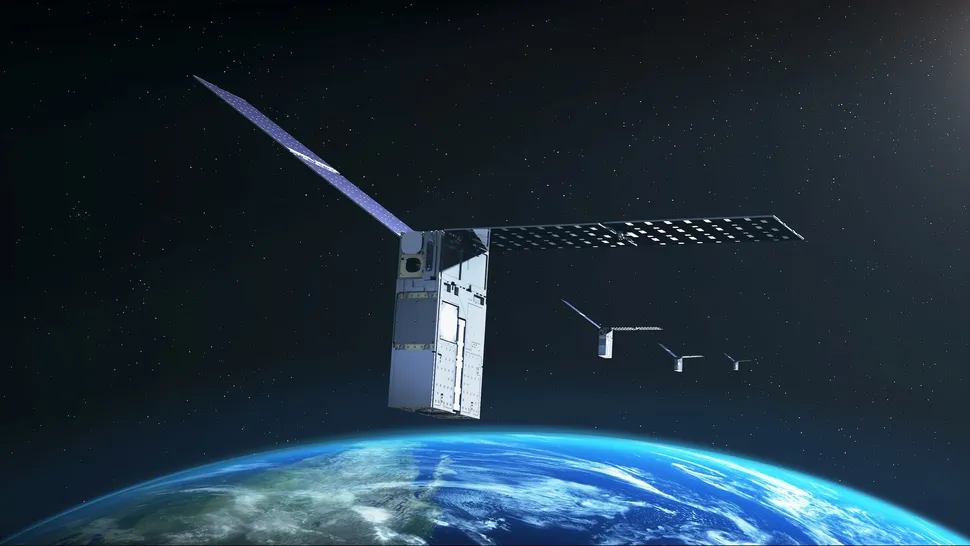
NASA Extends Starling Mission After Demonstrating GPS-Free Autonomous Satellite Navigation
NASA has extended its Starling spacecraft swarm mission through at least 2028 after a successful in-orbit demonstration of a navigation system that allows satellites to determine their position without relying on the Global Positioning System (GPS), marking a significant step toward greater spacecraft autonomy for future lunar and deep-space operations. The technology, known as Fast…
-
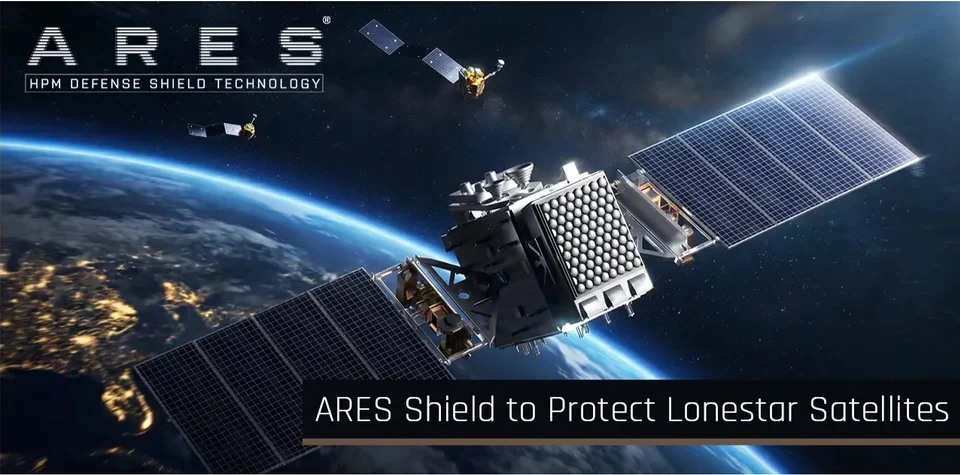
Ares Shield Wins Initial Contract to Protect Lonestar’s Orbital Data Center Satellites
Florida-based Lonestar Data Holdings has selected Polish space security startup Ares Shield to provide protective systems for satellites supporting the company’s emerging orbital data storage infrastructure, marking one of the first publicly disclosed commercial agreements focused specifically on active satellite protection for space-based data centers. Under the agreement, Ares Shield will initially equip three Lonestar…
-

China’s Race for Orbit and Spectrum: Hainan’s New Factory Targets 1,000 Satellites a Year
The successful recovery of Zhuque-3 was celebrated across China. From state-owned aerospace organizations to private companies, China’s commercial space sector has achieved a historic breakthrough in rocket recovery technology. Yet while everyone was looking up at the sky, another, less visible part of China’s space strategy was quietly taking shape. June 2026, Wenchang, Hainan Province.…
-

New Advances in Satellite Remote Sensing of Aboveground Biomass in Dense Mountain Forests
Dense mountain forests are important carbon reservoirs and biodiversity habitats. However, complex terrain and canopy occlusion make it difficult for conventional optical remote sensing to accurately capture vertical forest structure, creating considerable uncertainty in aboveground biomass estimates under challenging environmental conditions. To address this problem, a team led by researcher Wenjian Ni from the State…
-

China’s First Export Satellite Delivered In Orbit Retires After 15 Years of Service
On August 24, 2026, PakSAT-1R completed all deorbiting operations following the execution of its final orbital control command, formally leaving the 38° East orbital position it had occupied for 15 years. Affectionately known as “PakSat-1R” by Chinese and Pakistani space professionals, the communications satellite concluded its mission with a graceful final farewell to space. The…
-
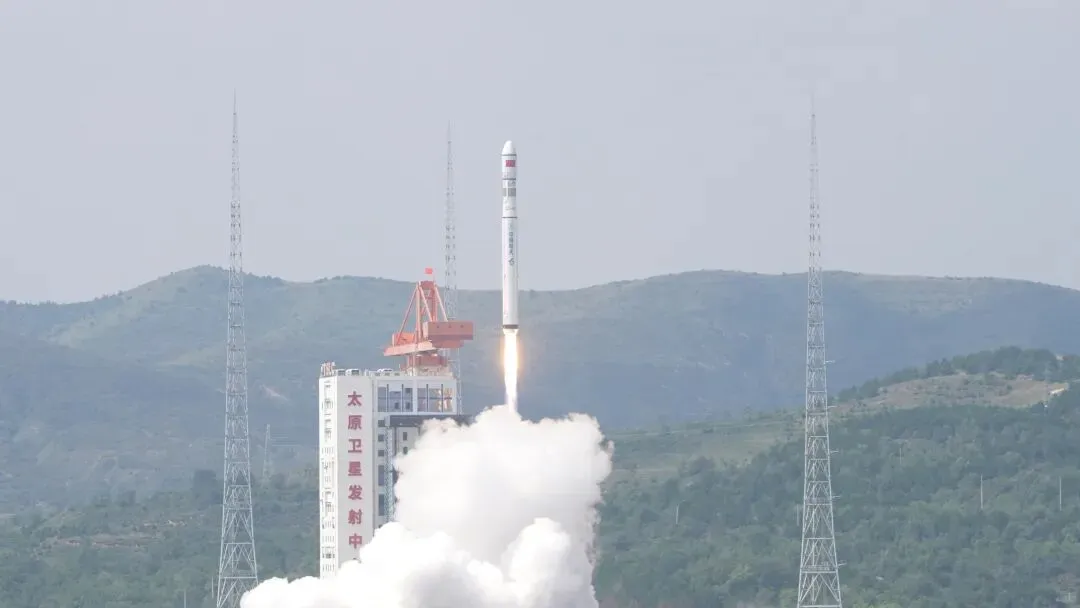
China Launches Seven Satellites on One Rocket, Including Thai CubeSat
At 11:21 a.m. Beijing Time on August 25, a Long March 6C carrier rocket lifted off from the Taiyuan Satellite Launch Center, successfully placing seven satellites into their designated orbits. The payloads included AIRSAT-14, AIRSAT-15, GISTDA CubeSat 1, Muduo-1A, Muduo-1B, Jing’an Dream Satellite and Bayi-04. The launch marked the 665th flight of China’s Long March…
-
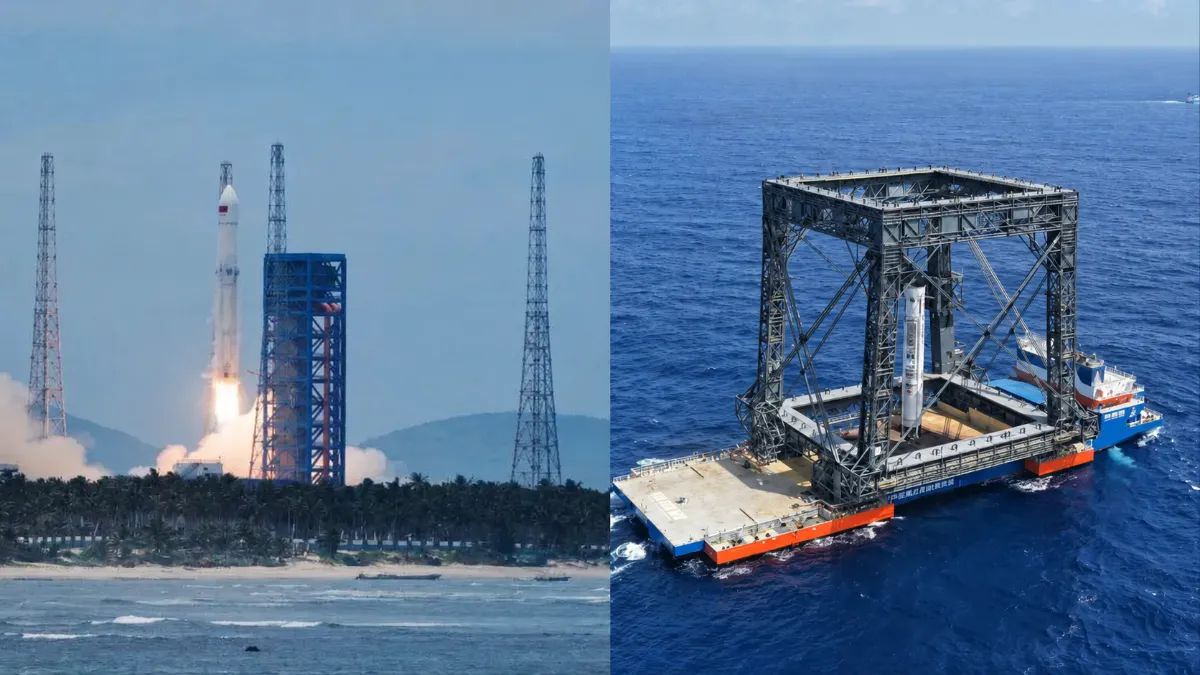
In-Depth Look at the Long March 10B Launch Vehicle
I. Basic Information The Long March 10B is a large, reusable commercial liquid-propellant launch vehicle with a diameter of 5 meters. The rocket was developed under the overall responsibility of the China Academy of Launch Vehicle Technology (CALT). The project was formally approved on July 3, 2025, entered the engineering development phase in December 2025,…
-

Why Is China Going to Such Lengths to Send Computing Power into Space?
China is working to give satellites an additional “brain” by combining artificial intelligence and onboard computing with traditional space capabilities. The objective is not simply to process data in orbit, but eventually to enable autonomous spacecraft, robotic servicing and the construction of large-scale computing infrastructure and human bases in space. What Is Space-Based Computing? Space-based…