
Author: starpathwp-production
-

SpaceXAI Selects Nvidia Vera CPUs to Power Agentic AI on Earth and Future Orbital Computing Systems
SpaceXAI has selected Nvidia’s Vera CPU architecture and the broader Vera Rubin platform to support its next-generation agentic artificial intelligence infrastructure, marking a significant expansion of the partnership between Elon Musk’s AI ambitions and Nvidia’s rapidly growing AI computing ecosystem. The announcement positions Nvidia’s first CPU specifically designed for AI agents at the center of…
-
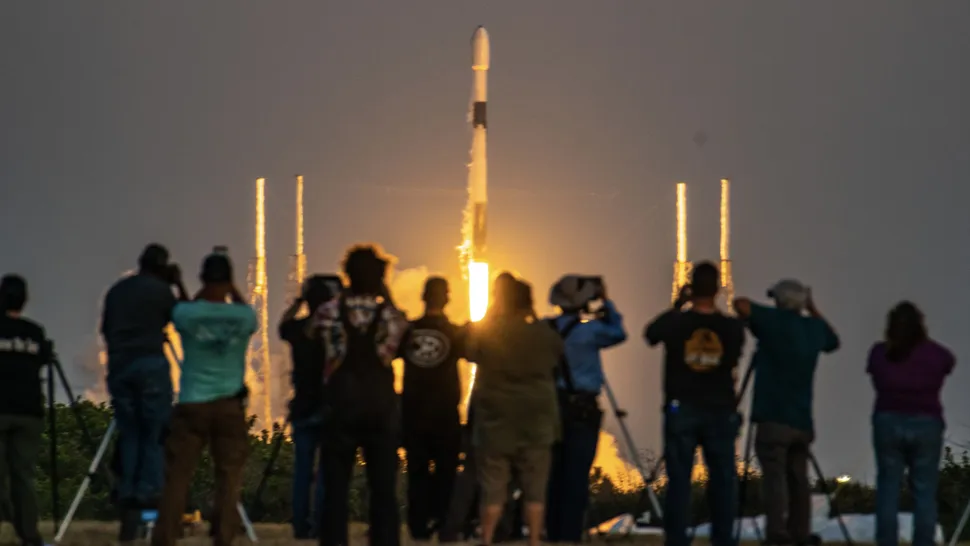
Falcon 9’s Final Chapter? SpaceX Plans to Retire Its Workhorse Rocket Once Starship Reaches Full Operational Service
SpaceX is preparing for one of the most consequential transitions in launch industry history: the eventual retirement of the Falcon 9 rocket, the vehicle that transformed commercial spaceflight and established reusable launch systems as an industry standard. According to comments highlighted by SpaceX leadership and reported by Space.com, the company intends to phase out Falcon…
-
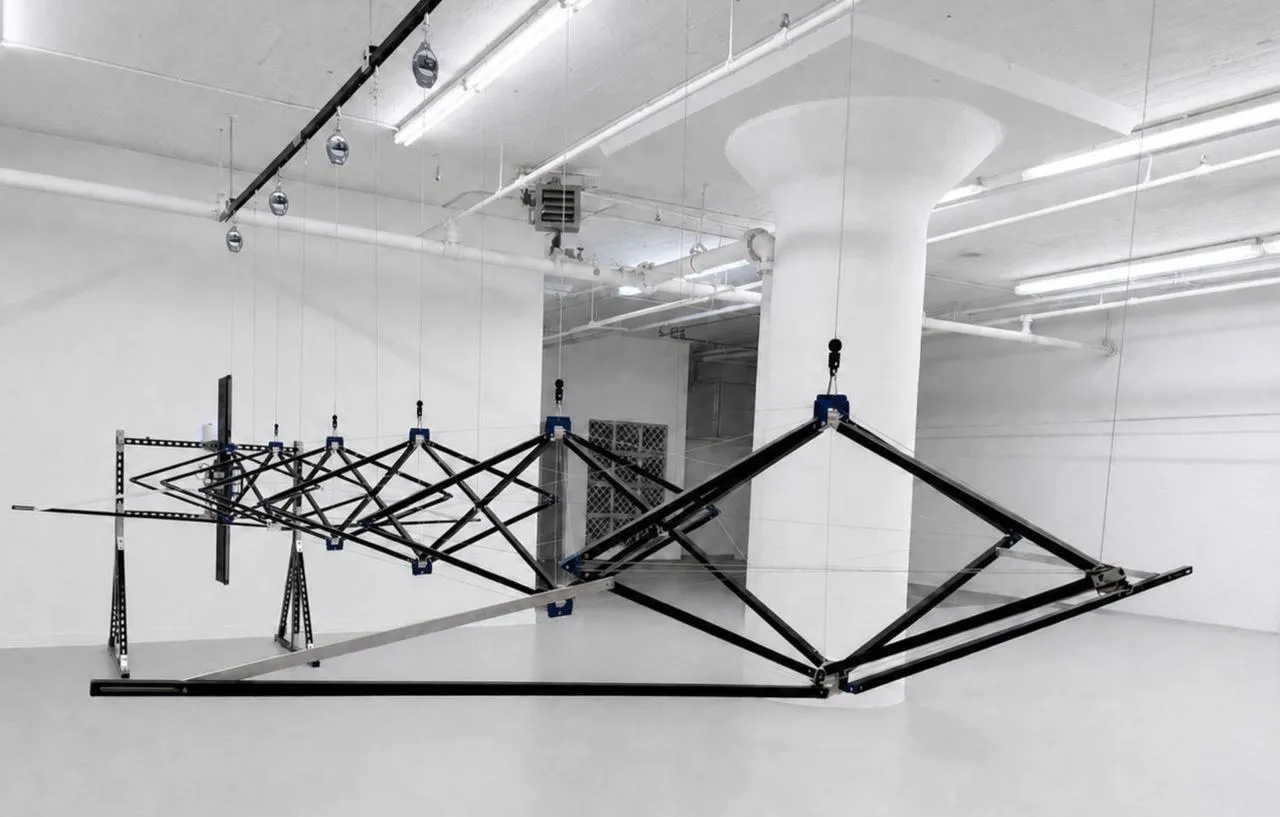
Beyond Reach Unveils FlareWing Deployable Structures to Bring High-Power Capability to Small Satellites
A new generation of space infrastructure—from commercial space stations to orbital data centers and lunar systems—is driving demand for spacecraft capable of generating far more electrical power than traditional small satellites can provide. Seeking to address that challenge, Beyond Reach Technologies has introduced FlareWing, a family of deployable structural systems designed to dramatically increase the…
-
How Brutal Is a Satellite Launch? G-Loads, Vibration, Shock, Noise and Vacuum Explained
A satellite is often treated as an exceptionally delicate object on the ground: temperature and humidity are tightly controlled in cleanrooms, lifting speeds are limited, connectors are fitted with protective caps, and optical surfaces cannot be exposed casually. But once sealed inside a payload fairing, it must endure engine ignition, liftoff, transonic flight, maximum dynamic…
-
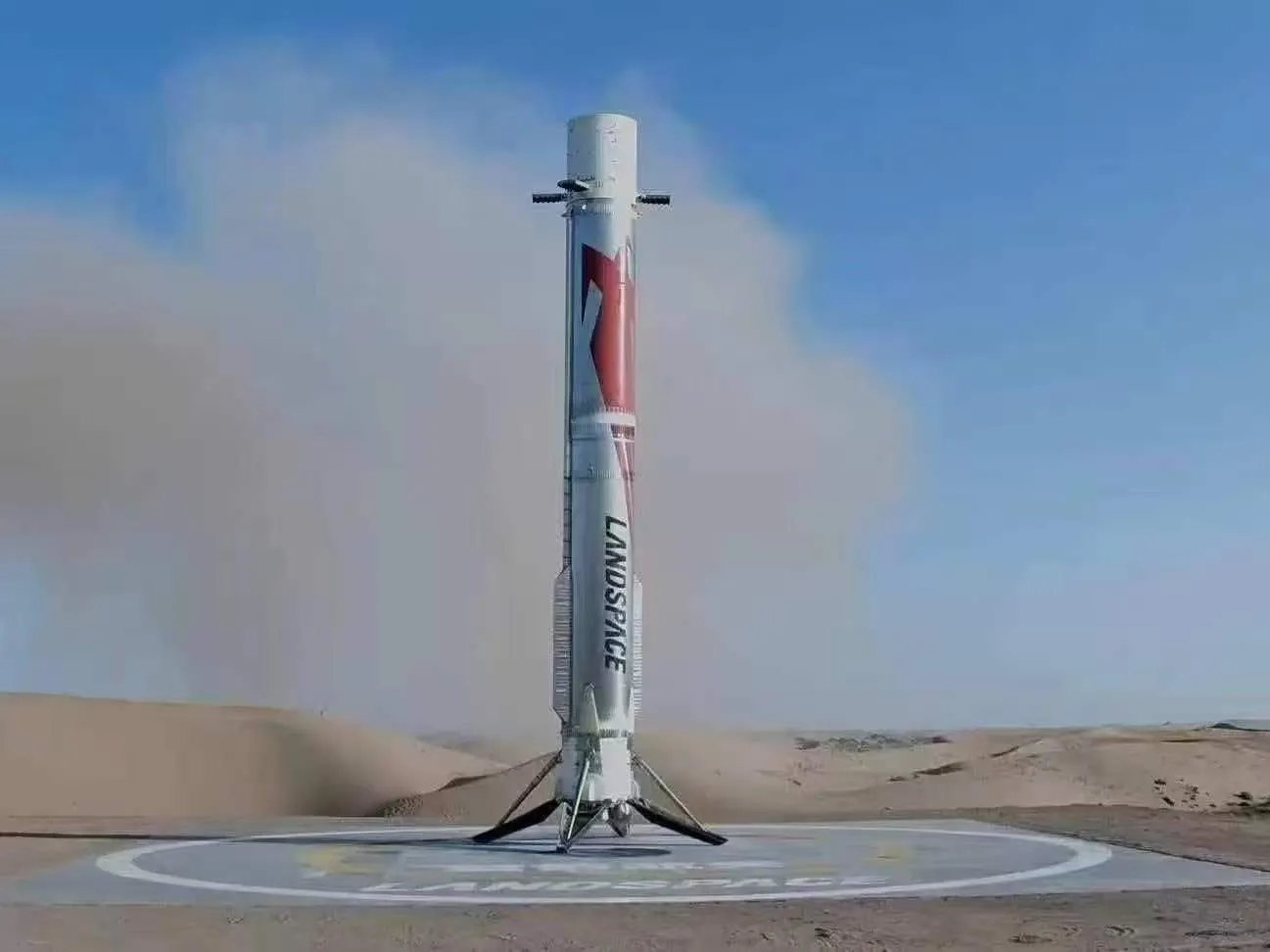
After Long March 10B and Zhuque-3 Recoveries, What Comes Next for China’s Commercial Rockets?
On August 19, 2026, the second Zhuque-3 rocket lifted off from the Dongfeng Commercial Space Innovation Pilot Zone. Its first stage subsequently returned to a landing pad in Minqin, Gansu Province, marking China’s first land recovery of the first stage of an orbital-class launch vehicle. Just 40 days earlier, on July 10, the Long March…
-
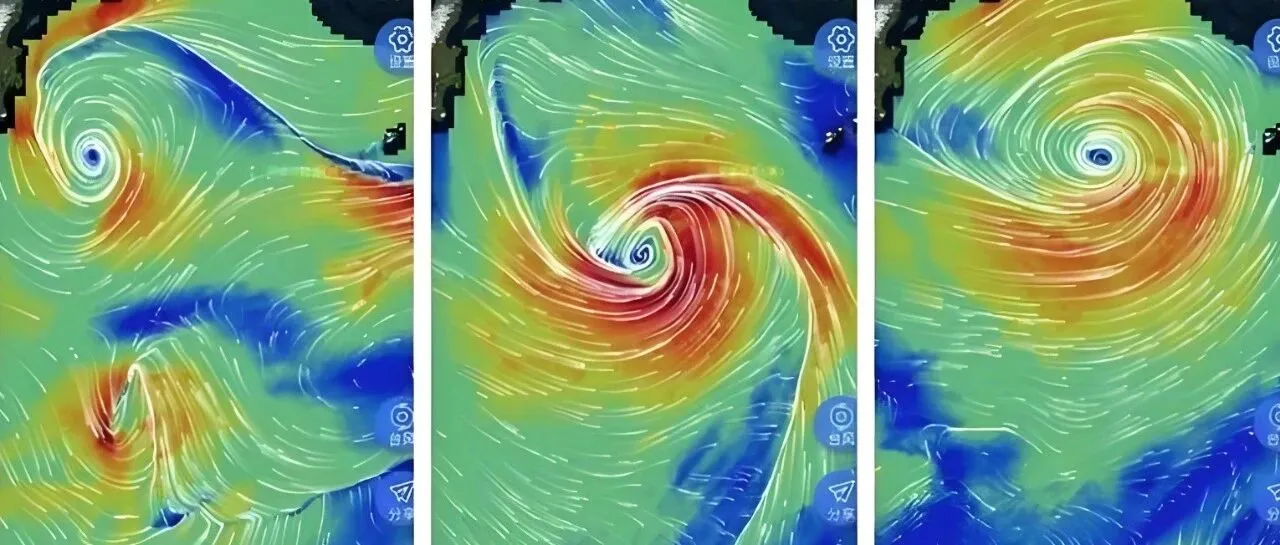
AI + Ocean Satellite Remote Sensing: A New Possibility for Marine Environmental Services
Marine environmental information is fundamental to major national projects and offshore activities, while satellite remote sensing is one of the most important tools for understanding the ocean. Could artificial intelligence make marine environmental services more timely and better able to meet the practical needs of marine engineering, maritime transport, aquaculture and underwater exploration? Why Is…
-

Successful Rocket Recovery Is Only the Beginning. Three Priorities Come Next
China has successfully recovered two orbital-class rocket boosters—one at sea and one on land—but recovery itself is only the starting point. Turning reusable rockets into a commercially viable capability will depend on three priorities: Rapidly returning recovered boosters to flight and developing a first stage optimized for frequent reuse; Continuously increasing the payload fraction to…
-
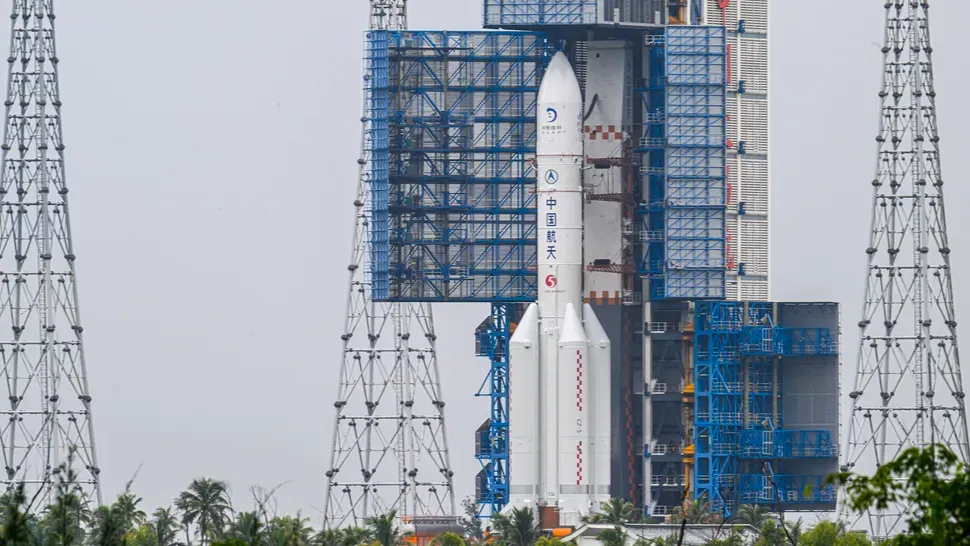
China Delays Historic Chang’e-7 Lunar South Pole Mission as Tropical Storm Narra Disrupts Launch Plans
China has postponed the launch of its landmark Chang’e-7 lunar exploration mission after Tropical Storm Narra developed in the Gulf of Tonkin and created unfavorable conditions near the Wenchang Space Launch Site on Hainan Island. The delay affects one of the most ambitious robotic lunar missions ever attempted and a key element of China’s long-term…
-

As Satellites Multiply, Does Space Need “Traffic Police”? A Survey of China’s Space Traffic Management Companies
Suppose a satellite receives an alert in the early hours of the morning: in 36 hours, it may pass dangerously close to a defunct rocket fragment. The predicted miss distance is only a few hundred meters. That sounds alarming, but operators cannot immediately fire the thrusters and change orbit. They must first determine whether the…
-
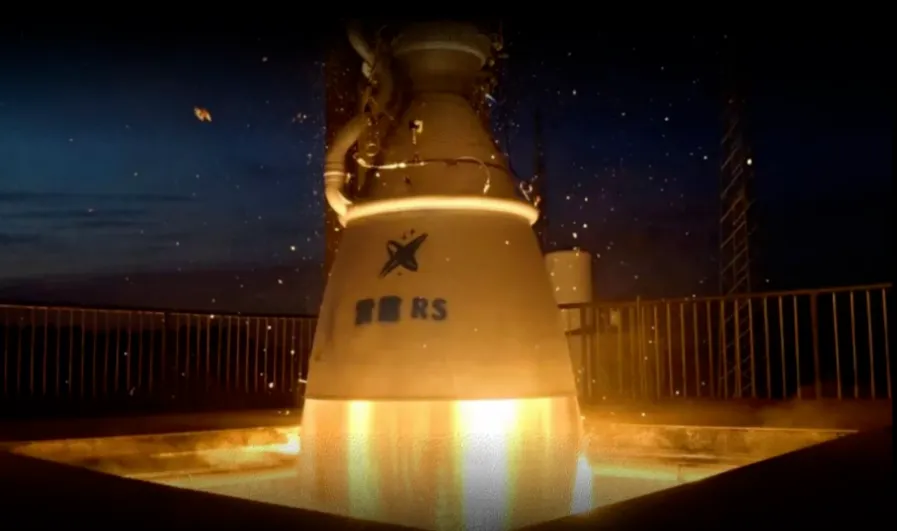
Deep Blue Aerospace Completes First 100-Second Long-Duration Test of 130-Tonne-Class THUNDER-RS Engine
August 21 — Deep Blue Aerospace has successfully completed a 100-second, long-duration steady-state hot-fire test of its 130-tonne-class THUNDER-RS liquid oxygen/kerosene engine at the company’s liquid rocket engine and propulsion-system test facility. The engine operated steadily and without faults throughout the test, achieving all test objectives. The milestone marks a key engineering breakthrough for high-thrust…