
Tag: AI
-

How Satellite Data and AI Are Transforming Crop Insurance in China
What does computing in space actually change for people on the ground? Crop insurance offers a practical starting point. Satellite imagery, artificial intelligence and digital field records are changing how insurers identify farmland, assess damage and help farmers reduce losses. The value becomes clearer when individual projects are examined in detail: where the data comes…
-
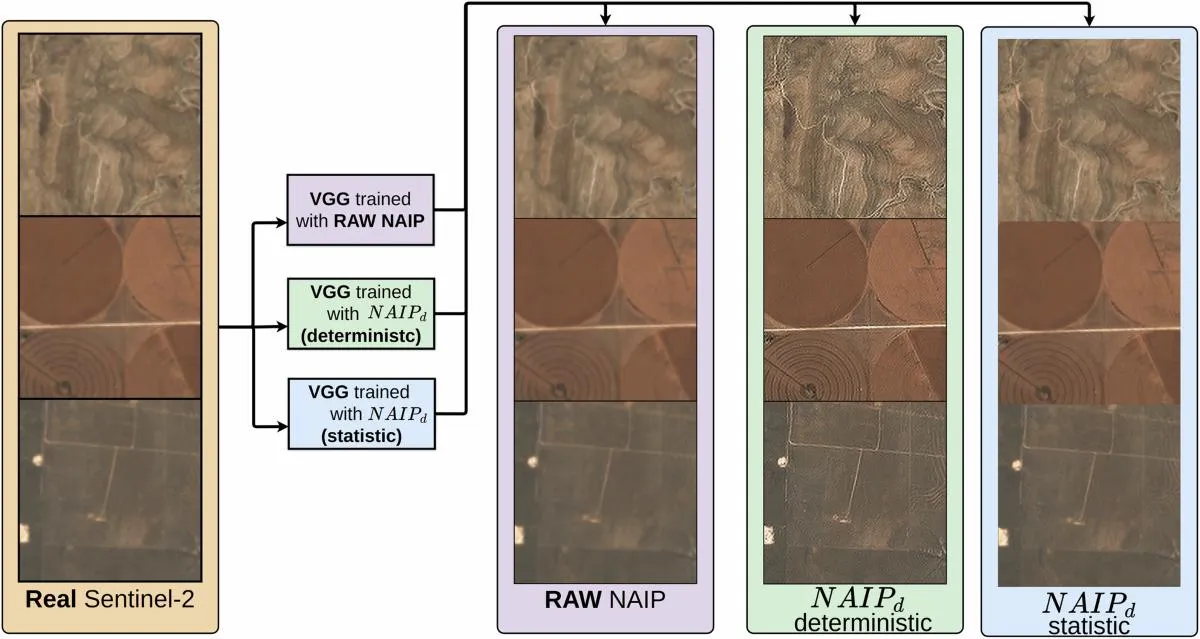
Can AI Super-Resolution Replace High-Resolution Satellite Imagery?
AI super-resolution can make satellite imagery look sharper and, in some validated workflows, improve the information extracted from it. But it does not automatically turn a low-resolution observation into the equivalent of a native high-resolution image. Whether it can replace a new imagery purchase depends on the task: a background map, a land-cover classification, a…
-
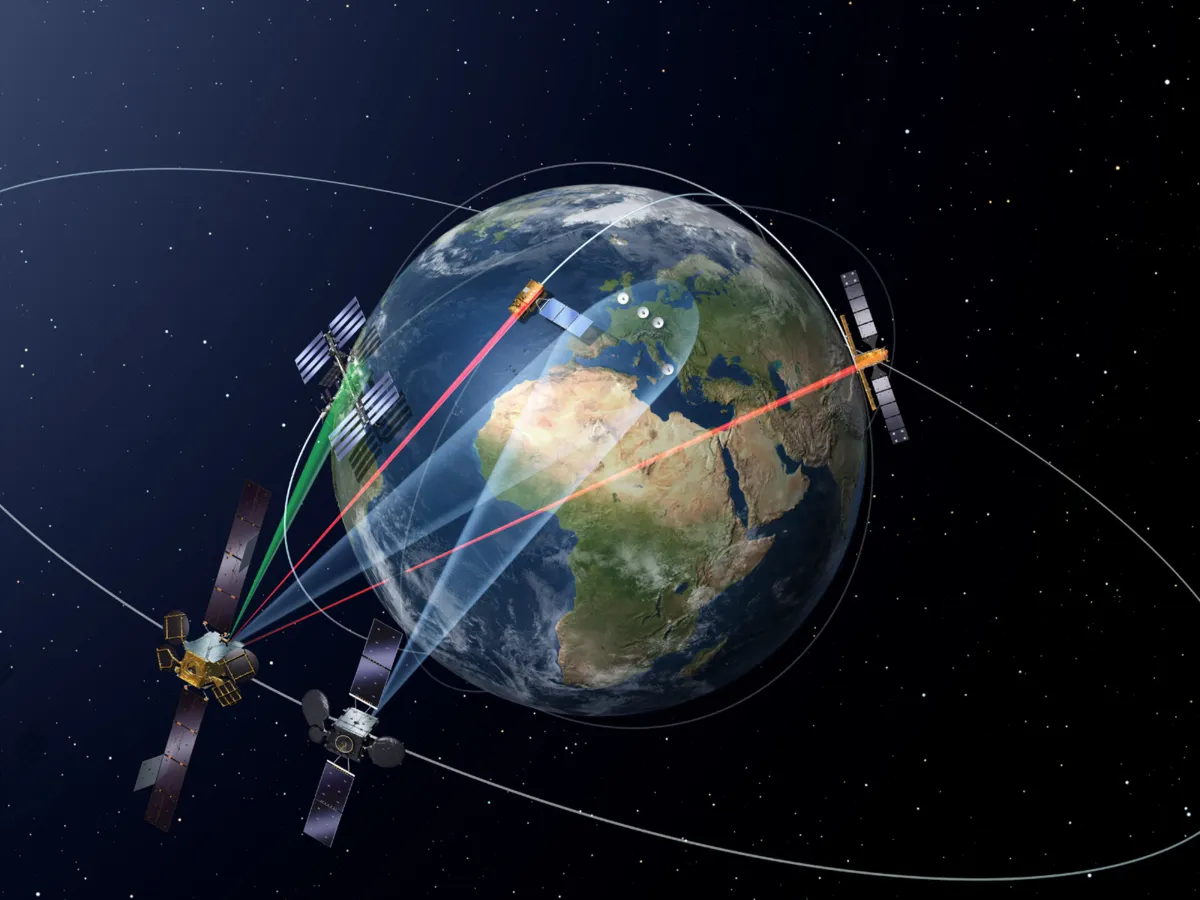
How Does Satellite Imagery Become Intelligence?
Think of a satellite as a courier collecting packages. But what happens after collection? Between a satellite pressing its “shutter” and a wildfire alert, flood map or vessel track appearing on your phone, how many steps does the data go through? Let’s unpack the entire data pipeline. The Traditional Pipeline: Shipping Every Ingredient Back to…
-
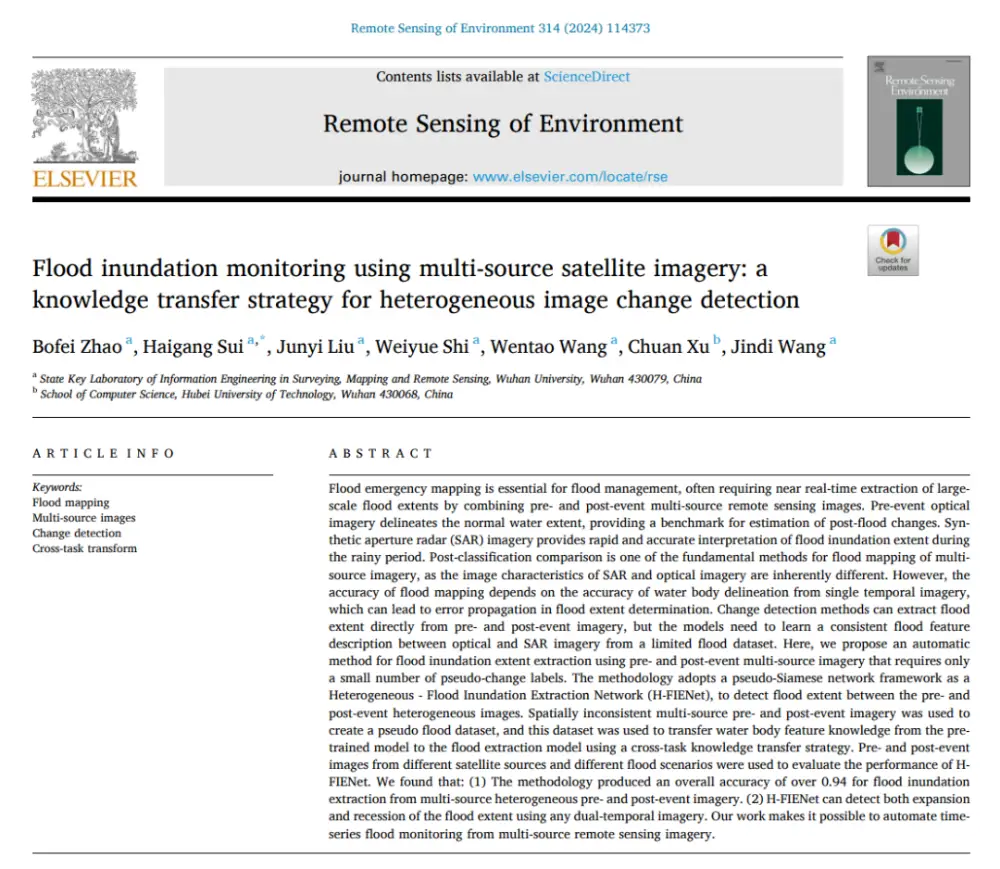
How AI Detects Flood Changes Across Optical and SAR Images With Few Training Pairs
In brief: Instead of separately mapping water in pre- and post-flood images and then overlaying the results, the method first maps water features from optical and SAR imagery into a more consistent semantic space, then directly identifies where water conditions have changed. More importantly, it does not require large numbers of real flood-change labels: it…
-
Closing the Last Mile of Earth Observation: How FDEs Turn Geospatial Intelligence into Business Outcomes
“We want to identify risks earlier.” For a mining company managing multiple tailings facilities, this is a natural business objective: regularly acquire satellite imagery, detect changes in the facilities and their surrounding environments, assess potential risk signals, and issue alerts when anomalies may require further attention. From a technical perspective, this may not seem particularly…
-

White House Strategy Elevates Space to Top Tier of U.S. Military Technology Priorities
The White House has elevated space, alongside undersea warfare and artificial intelligence, to the highest tier of U.S. military science and technology priorities, signaling a sharper focus on maintaining technological superiority in orbit and extending that advantage from very low Earth orbit to the cislunar environment. Released this week, the 24-page National Security Science and…
-
Muon Space Raises $250 Million to Scale Satellite Constellation Production
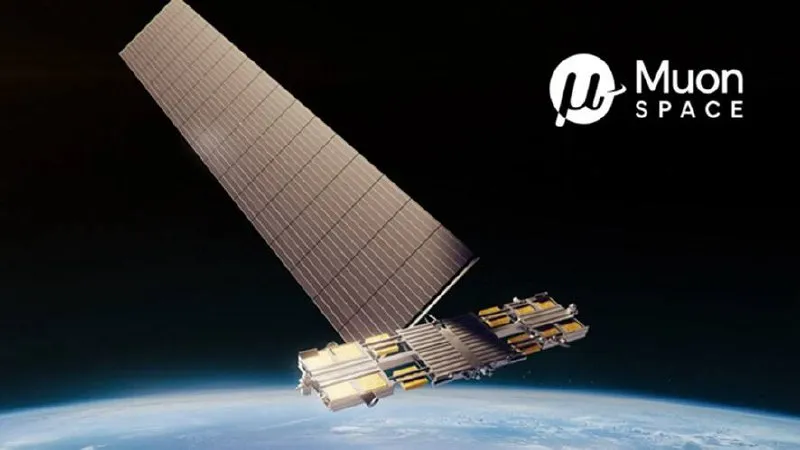
Muon Space has raised $250 million in a Series C financing round as the California satellite developer moves to expand spacecraft production, broaden its dual-use satellite platforms and support a growing pipeline of commercial, government and international sovereign customers. The oversubscribed financing, announced Aug. 20, brings Muon Space’s total equity funding to more than $386…
-
From Building Rockets to Mass-Producing Them, China’s Commercial Space Industry Is Catching Up on Digitalization
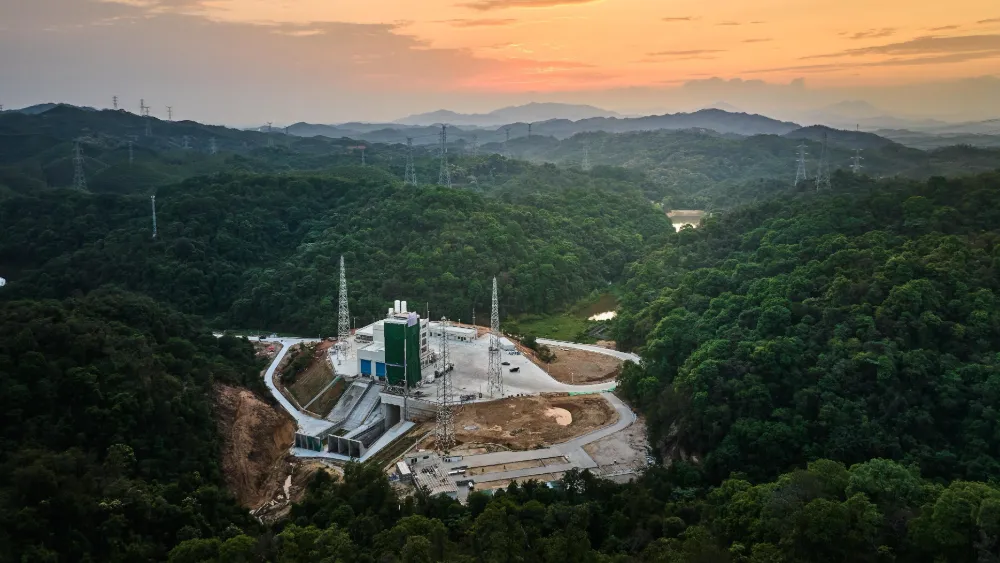
In the first half of 2026, China completed 44 space launches, up nearly 26% year on year. Rockets are moving from “a few launches a year” toward high-frequency launch operations, making large-scale production an increasingly urgent priority. And as the industry moves from building individual rockets to mass-producing them, China’s commercial space sector is now…
-
SpaceX Publishes All-Hands as Musk Details AI Push, Starship Scale, and Multiplanetary Vision
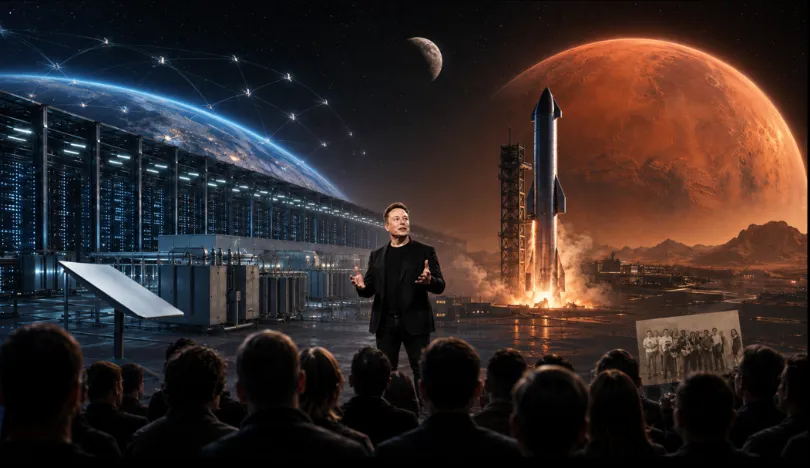
SpaceX CEO Elon Musk laid out a future for the company that extends far beyond rockets and satellite internet, telling employees that artificial intelligence could soon become SpaceX’s largest business and eventually account for 99% of its value. During the presentation, which SpaceX published on August 11th, Musk said the company is targeting 10 gigawatts…
-
China’s Space Computing Is Not the Same as Musk’s Vision
Over the past year, space computing has emerged as one of the hottest topics in the global commercial space industry. From a wave of domestic companies announcing plans for computing satellites, computing constellations, and space-based computing platforms, to SpaceX’s continued discussions around orbital data centers and AI infrastructure, space computing has quickly become a new…