
Tag: Artificial Intelligence
-

Can Optical Satellites Keep Tracking Floods When Clouds Block the View?
In brief: Landsat and Sentinel-2 can capture flood details well, but they are most vulnerable to the very condition that often accompanies major flooding: cloud cover. Rather than trying to generate a visually plausible cloud-free optical image, this study directly reconstructs whether the surface beneath the clouds is water or non-water. The researchers combined Harmonized…
-
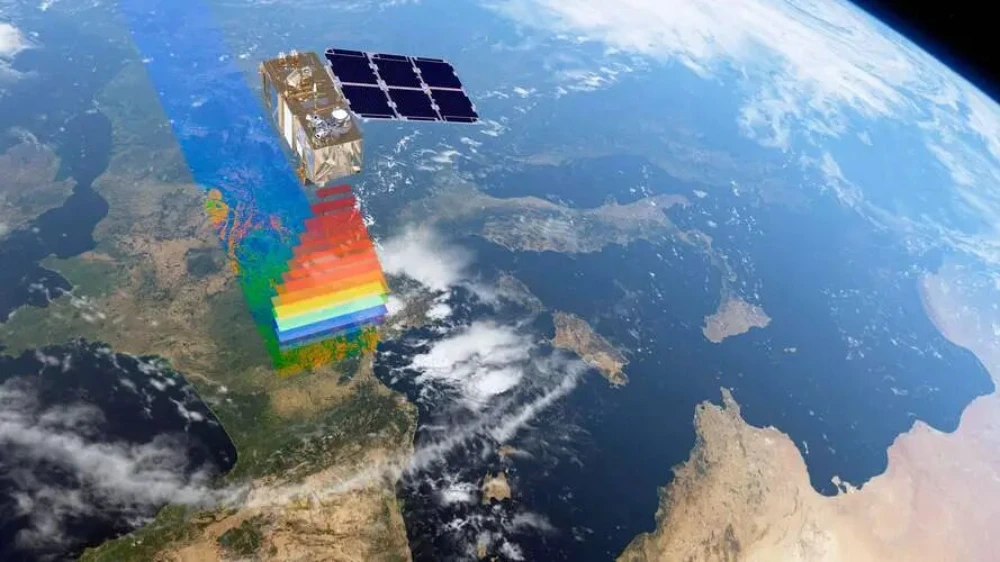
From Imaging to Intelligence: How Smart Remote-Sensing Satellites Are Changing the Market
Several smart remote-sensing satellites have recently been launched in China and other countries, entering a rapidly expanding applications market and attracting growing industry attention. But what does it mean for a remote-sensing satellite to become “smart”? What benefits could onboard intelligence provide, and how might it help satellite operators reach new markets and deliver services…
-
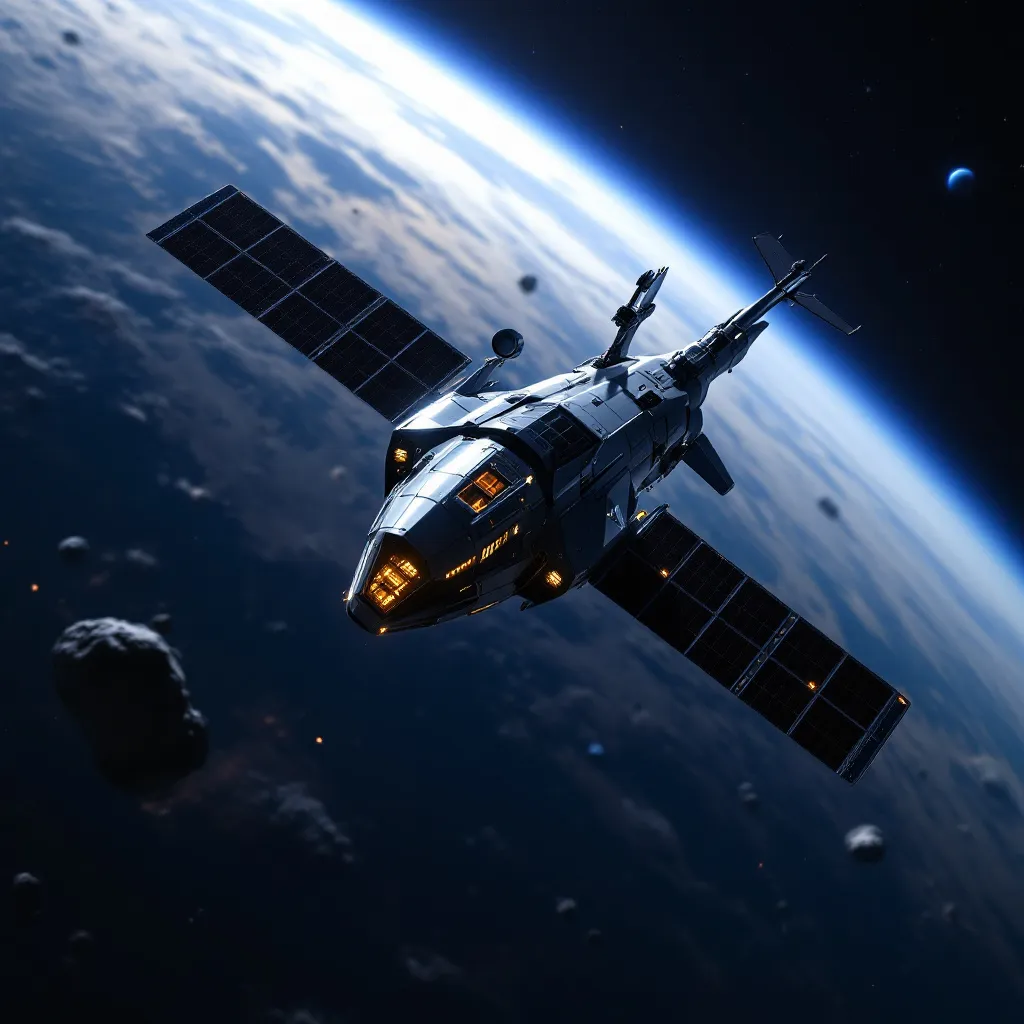
AstroForge Plans 2027 Flight With AI in Control of Spacecraft
AstroForge plans to give its Solo artificial intelligence system control of a spacecraft on its Autonomy-1 mission in early 2027. The asteroid mining company said the vehicle will operate without commands from Earth after launch on the first flight of Stoke Space’s Nova Pathfinder rocket. Before then, AstroForge intends to fly Solo in a monitoring…
-

Satellite Data Reveals Hidden Patterns of War in Ukraine and Myanmar
Satellite observations can expose wartime destruction overlooked by conventional reporting and help researchers build more complete records of armed conflict, according to an international study published in Nature on September 9, 2026. The research combines satellite-derived damage assessments with media-based conflict data, using case studies from Ukraine and Myanmar to show how Earth observation can…
-

Xiopm SPACE’s Qin Jing: What Is the Real Commercial Value of Space-Based Computing?
In 2026, space-based computing emerged as a major new direction for the commercial space industry. What problems is it meant to solve, and where is the industry heading? Hello Space has launched the Space-Based Computing Interview Series, speaking with leading Chinese companies to examine the real progress being made in this emerging field. Our guest…
-
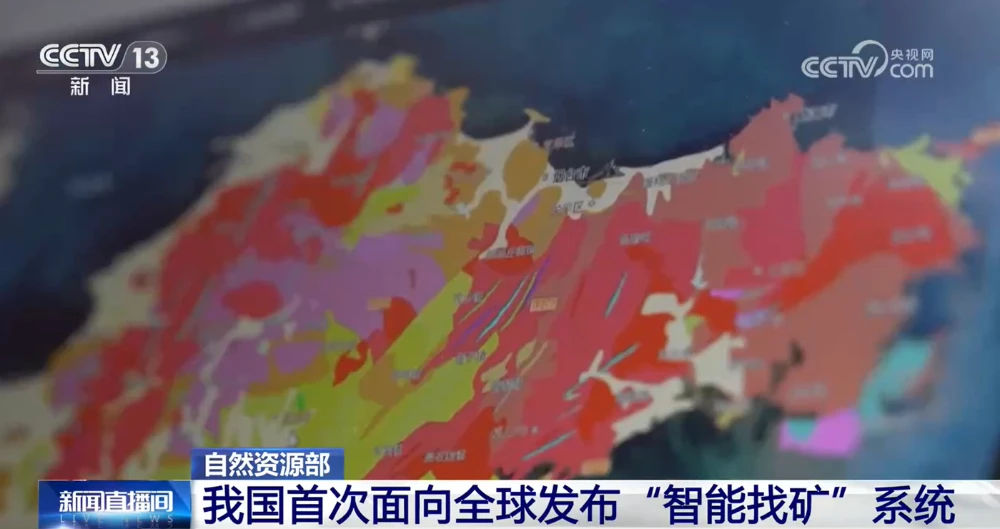
China Unveils First AI Systems for Geological Mapping and Mineral Prospecting
China’s Ministry of Natural Resources on Sept. 11 unveiled the AI-GeoMapping and AI-OreSeeking systems at the 2026 China International Mining Conference, marking the first global release of the two platforms. Developed independently by the China Geological Survey, the systems apply artificial intelligence across the full workflows of basic geological surveying and mineral exploration evaluation. The…
-

NASA and IBM Open-Source Lunar Foundation AI Model to Accelerate Moon Science
NASA and IBM have released the NASA-IBM Lunar Foundation Model, one of the first publicly available foundation models developed specifically for scientific exploration of the Moon. Trained on a large, multi-instrument lunar dataset assembled by researchers from both organizations, the model is designed to extract new insights from decades of observations and support scientific and…
-

Royal Group of Abu Dhabi Backs $1 Billion Expansion of Altair AI Imaging Constellation to 50 Satellites
Loft Orbital and UAE-based Marlan Space announced on September 9 a $1 billion commitment led by the Royal Group of Abu Dhabi to expand the Altair Earth observation constellation from 10 to 50 satellites. The spacecraft will combine optical and synthetic aperture radar imaging with onboard artificial intelligence, serving government and commercial customers in the…
-
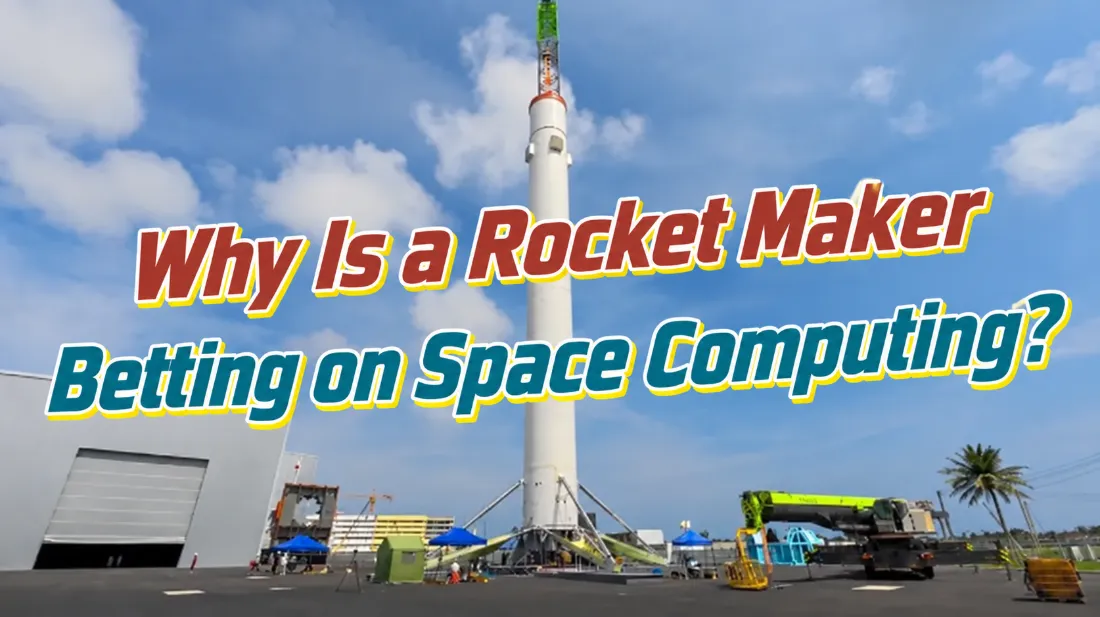
i-Space’s Xie Hongjun: Why Is a Rocket Company Moving Into Space Computing?
In 2026, space computing emerged as an important new frontier in commercial space. What problems is it intended to solve, and where is the industry heading? Hello Space has launched its Space Computing Interview Series, speaking with leading Chinese players to examine the real progress being made in this emerging sector. Our guest in this…
-
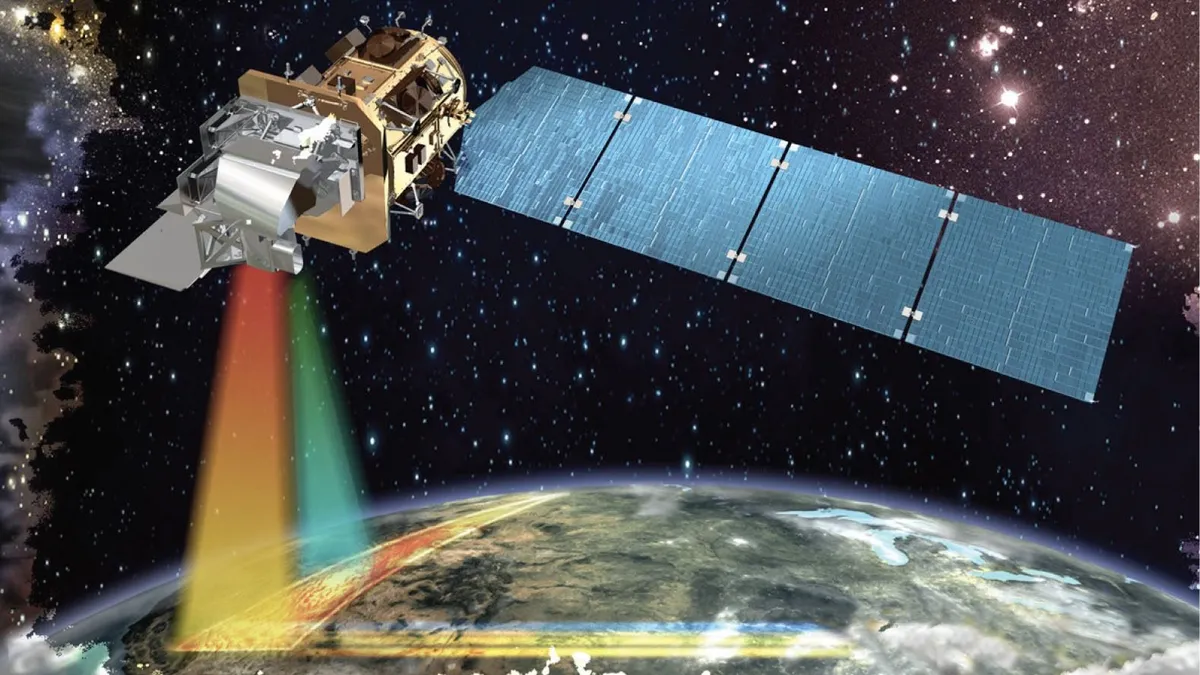
Private Satellites and AI Reshape Earth Observation as Security and Privacy Risks Grow
Commercial operators controlled 270 of the 472 Earth observation satellites identified by the U.S. Geological Survey in 2024, overtaking the 202 spacecraft operated by governments and accelerating a shift toward privately supplied imagery, analytics and geospatial intelligence. An OECD assessment published on February 10, 2026, said advances in sensors, cloud computing and artificial intelligence are…