
Tag: Satellite Imagery
-
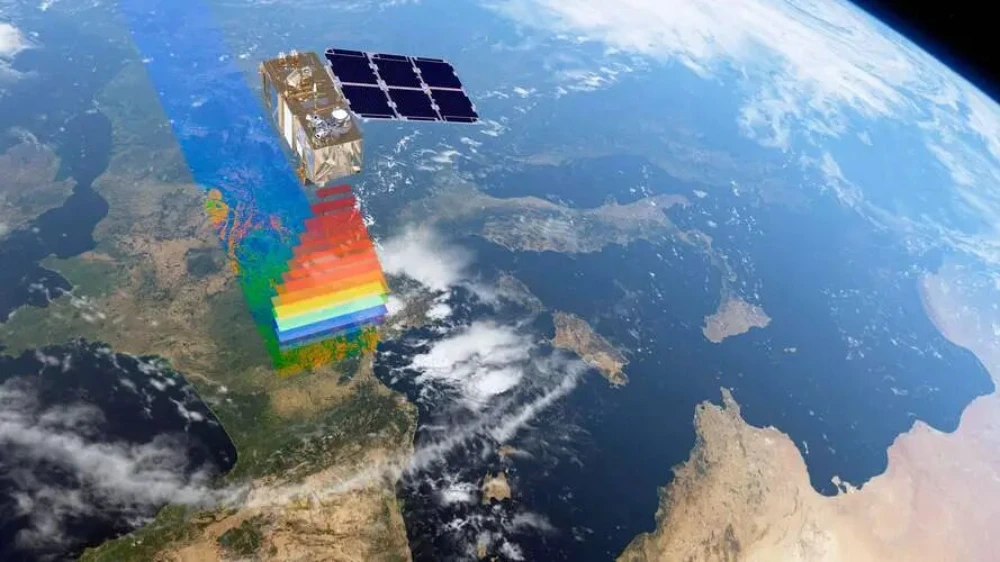
From Imaging to Intelligence: How Smart Remote-Sensing Satellites Are Changing the Market
Several smart remote-sensing satellites have recently been launched in China and other countries, entering a rapidly expanding applications market and attracting growing industry attention. But what does it mean for a remote-sensing satellite to become “smart”? What benefits could onboard intelligence provide, and how might it help satellite operators reach new markets and deliver services…
-
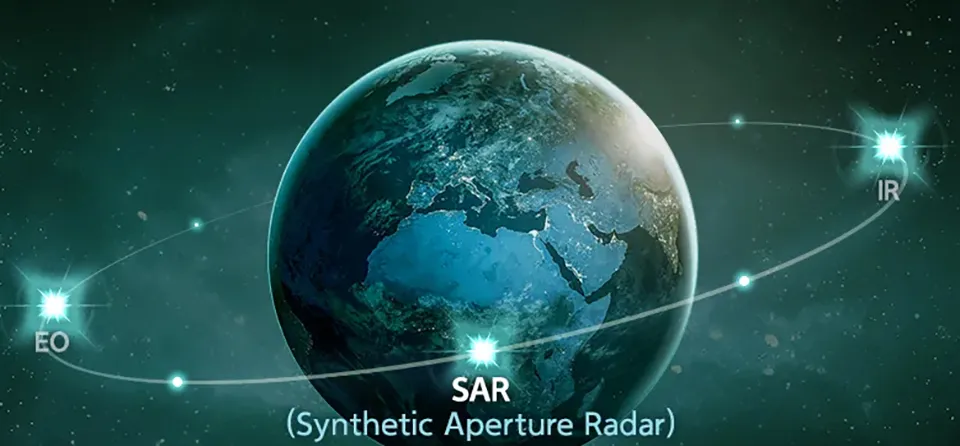
Russian Satellite Imagery Reportedly Supports Iranian Targeting of U.S. Bases
Russian Earth observation satellites are providing imagery to Iranian military forces to support targeting of U.S. and allied installations across the Middle East, according to defense intelligence assessments reported on September 17, 2026. The reported cooperation involves synthetic aperture radar and high-resolution optical imagery used to refine information on fixed military sites, air-defense positions and…
-
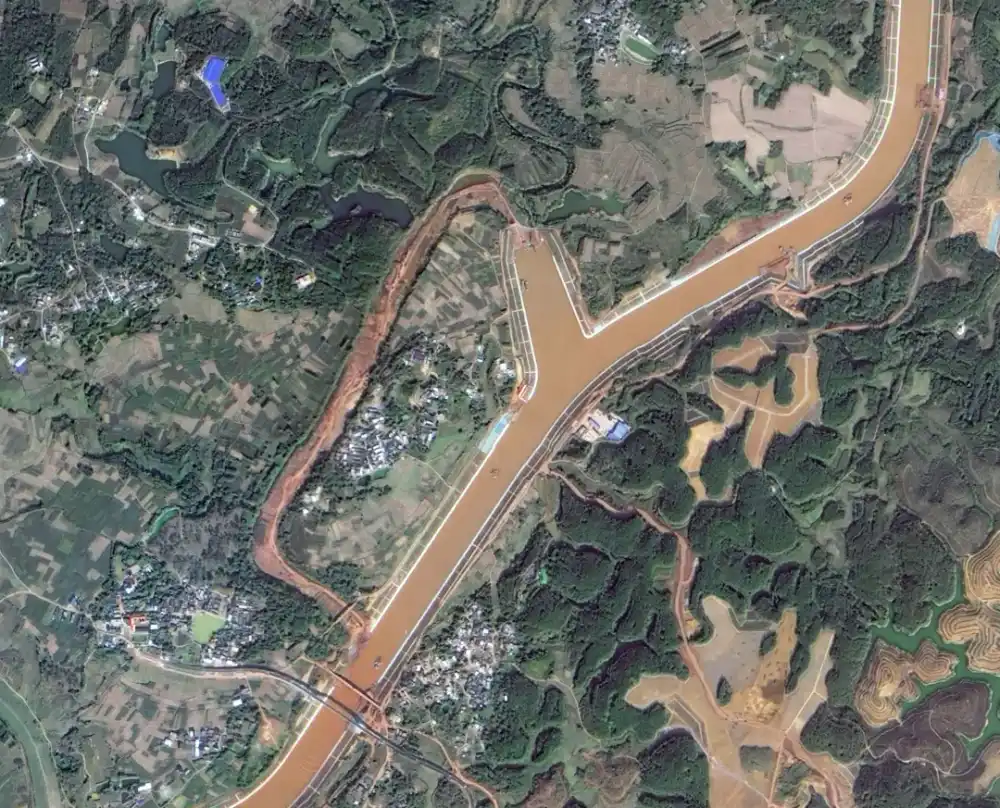
Pinglu Canal Officially Opens to Shipping: Satellite Images Capture China’s Project of the Century
China’s 134.2-kilometer Pinglu Canal officially opened to navigation on September 16, 2026, creating a direct waterway between the Xijiang River system and the Beibu Gulf. Satellite imagery released by the China Centre for Resources Satellite Data and Application provides a corridor-wide view of the RMB 72.7 billion project and records the construction of new channels,…
-
From Snow and Ice Retreat in 2010 to an Ice Avalanche in 2016 and Crack Coalescence Two Days Before the Disaster: How Satellites Reconstructed a Decade of Progressive Rock-Slope Failure
The Chamoli slope did not suddenly fail on 7 February: Satellite data reveal a decade of progressive deterioration before the rockslide. At a glance: The Chamoli disaster of 7 February 2021 appeared to be a sudden rock–ice avalanche in the high mountains. This paper, however, focuses not on how far the post-failure flood traveled, but…
-
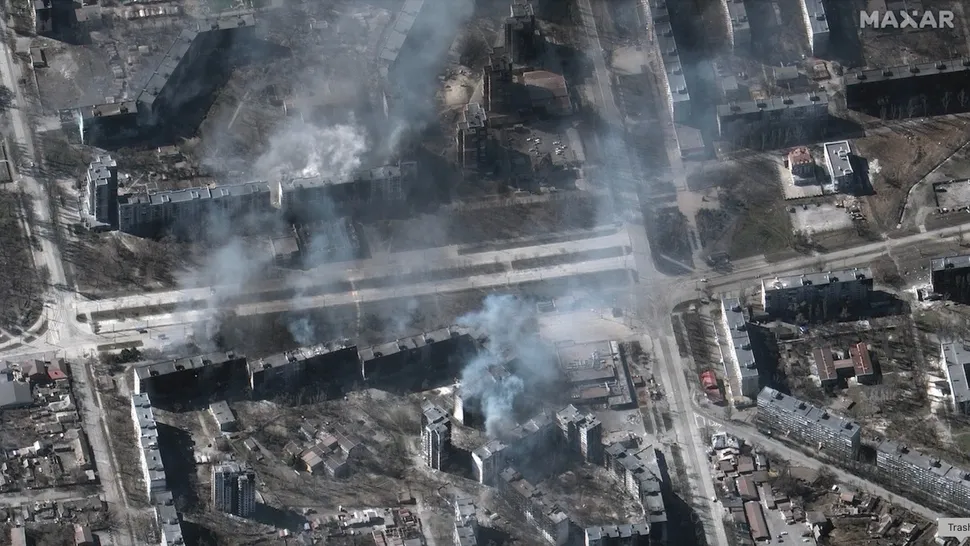
Satellite Data Reveals Hidden Patterns of War in Ukraine and Myanmar
Satellite observations can expose wartime destruction overlooked by conventional reporting and help researchers build more complete records of armed conflict, according to an international study published in Nature on September 9, 2026. The research combines satellite-derived damage assessments with media-based conflict data, using case studies from Ukraine and Myanmar to show how Earth observation can…
-

What Imaging Capabilities Does Commercial Earth Observation Need in the AI Era?
In the era of AI in space, customers are not simply purchasing an image. What they truly need is timely, comprehensive information about where an event is occurring, how quickly it is changing, and how far its effects extend. As commercial Earth observation evolves from data products toward decision-support services, pricing is no longer determined…
-
Planet Posts Record $116 Million Quarter as Sovereign Satellite Services Accelerate Growth
Planet Labs reported record quarterly revenue of $116.1 million for the second quarter of fiscal 2027, as the handover of a reconnaissance satellite to the Swedish Armed Forces and expanding defense demand lifted revenue 58% year over year. The Earth observation company announced the results on September 3 for the three months ended July 31,…
-
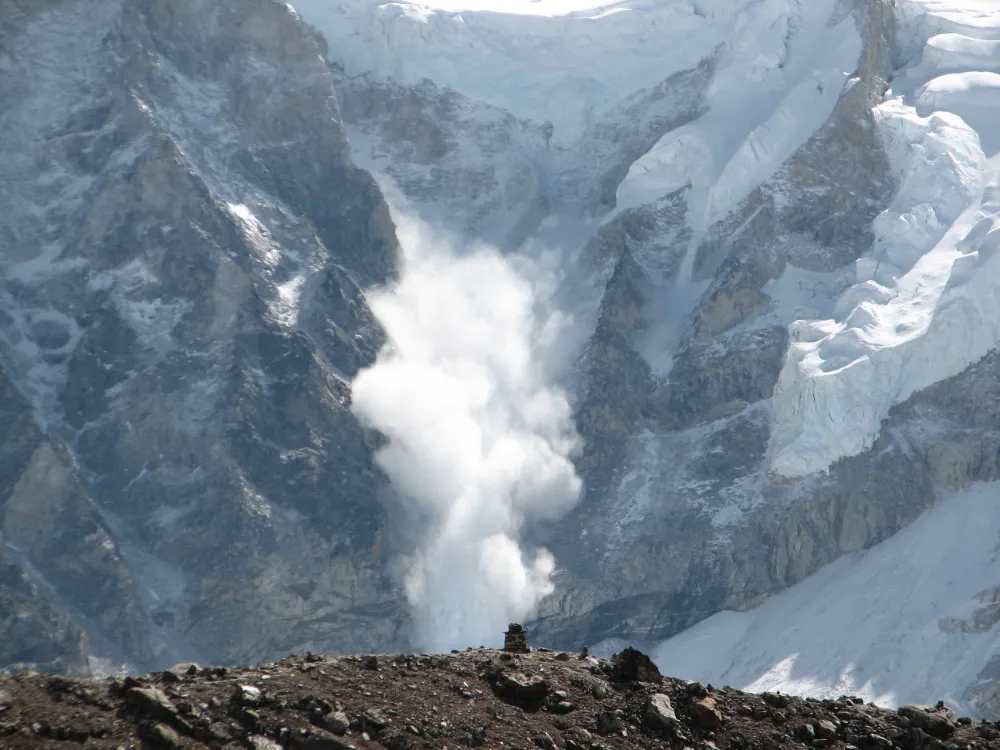
From Detecting Change to Assessing Risk: Satellite Remote Sensing for High-Mountain Hazards
On August 26, 2026, a cascading debris-flow disaster originating on the Nepal side of the China–Nepal border struck Gyirong Port in Xizang, China. Based on pre- and post-event high-resolution satellite imagery, seismic reports, and imagery transmitted from the affected area, an expert working group organized by China’s Ministry of Natural Resources preliminarily assessed that the…
-
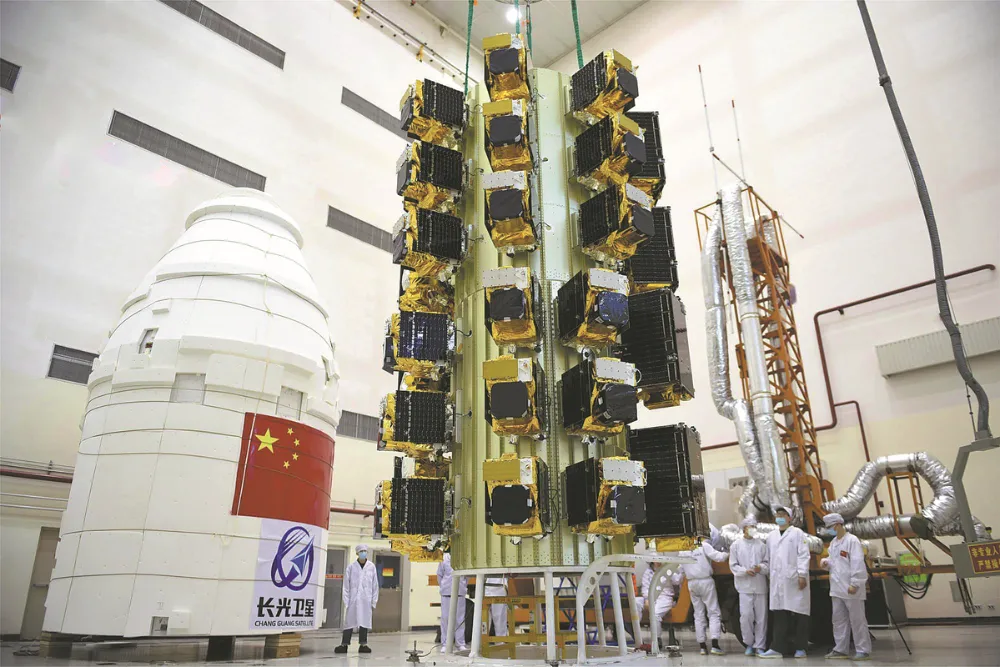
Chang Guang Satellite Unveils Results from World’s Largest Stereo Mapping Satellite Cluster
Commercial space is entering a new phase of large-scale development, with the number of satellites in orbit continuing to rise and applications expanding into an increasingly diverse range of industries. Ultimately, however, the value of the industry is realized through data applications and services. Among these applications, 3D stereo mapping has become an important field…
-
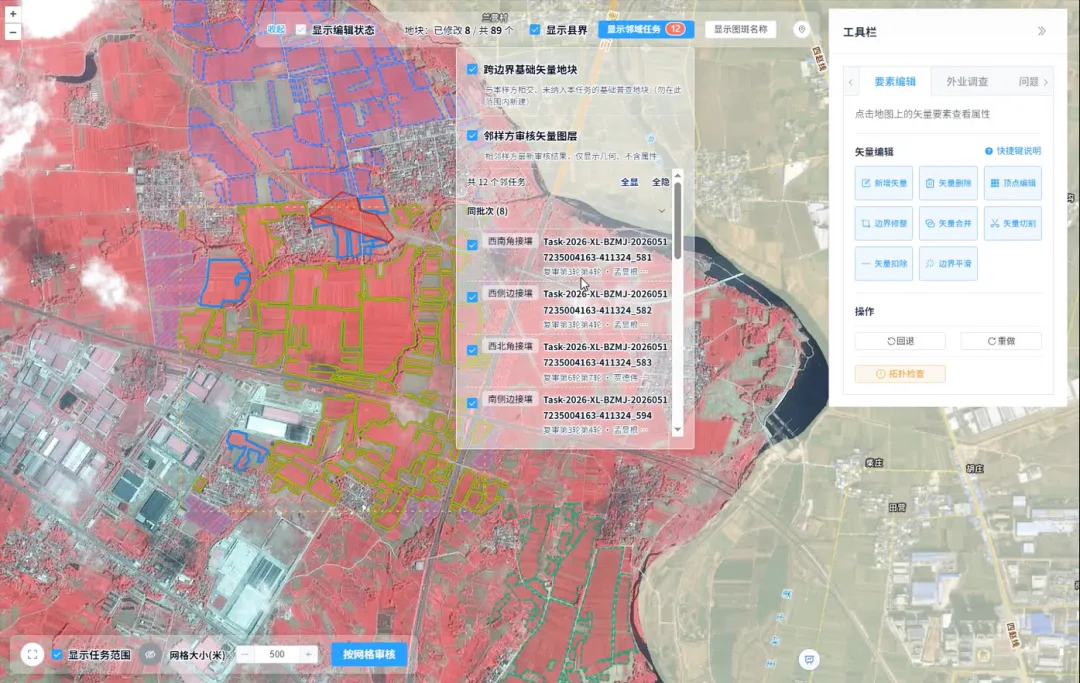
How Is Every Field Accurately Verified? China Uses Remote Sensing for Its Fourth National Agricultural Census
Remote sensing technology has given agricultural censuses “eyes in space,” but satellite imagery alone cannot produce agricultural data with 100% accuracy. Misaligned field boundaries, omitted or duplicated polygons, crop misclassification, and cloud cover obscuring ground conditions are all unavoidable challenges in remote sensing interpretation. These issues emerged during the remote sensing survey verification for China’s…