
Tag: satellite internet
-
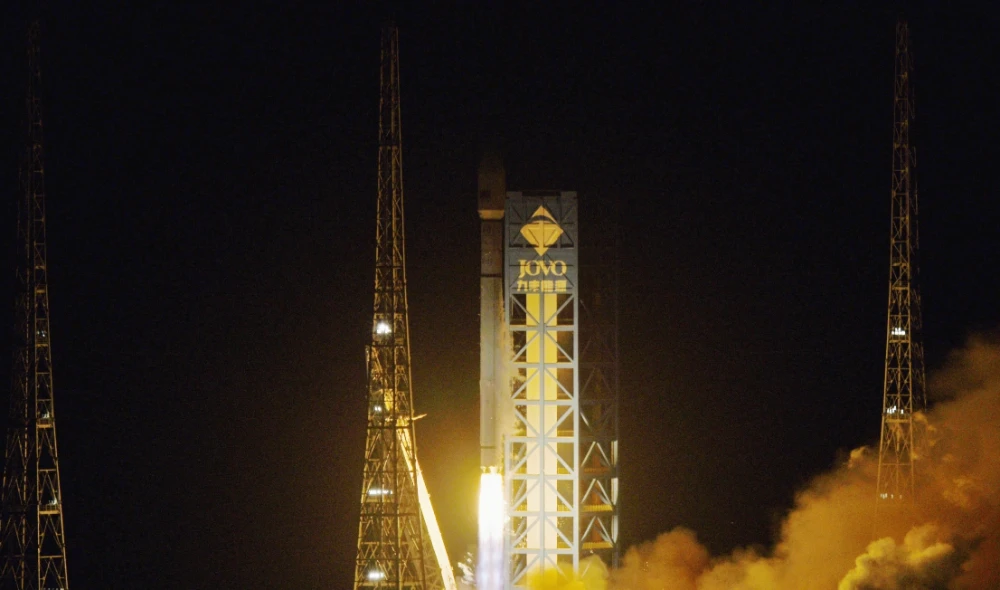
Long March 12 Launches China’s 27th LEO Internet Satellite Group
At 3:27 a.m. on October 10, 2026, China successfully launched the 27th group of low-Earth orbit internet satellites aboard a Long March 12 carrier rocket from the Hainan Commercial Space Launch Site. The satellites entered their designated orbit, continuing the phased deployment of China’s satellite internet system and marking the 671st mission of the Long…
-

China’s Satellite Internet System Enables First Arctic-to-Antarctic Video Call
China used its domestically developed GW satellite internet system to complete its first real-time video call spanning the Arctic and Antarctica on September 25 during the country’s 16th Arctic Ocean scientific expedition. The call connected the research vessels Xuelong, Jidi and Tansuo-3 with China’s Qinling Station in Antarctica, with reported video delay of no more…
-
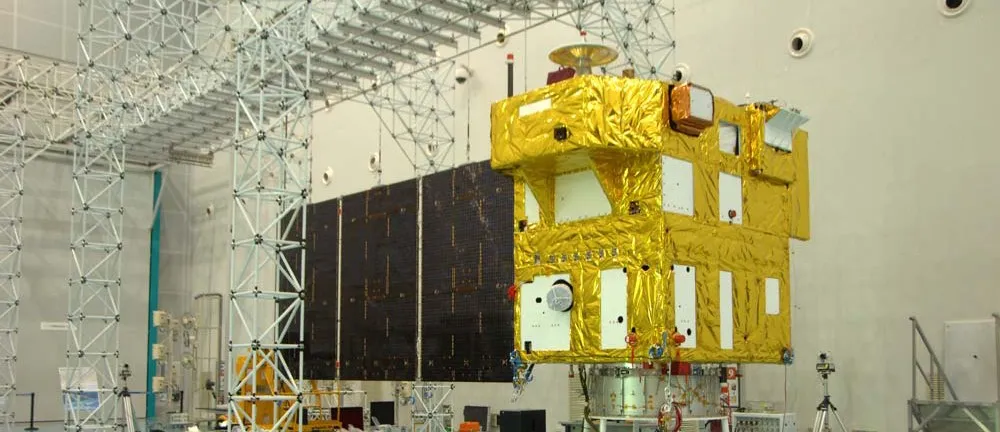
How to Assess a Satellite Thermal Control Company’s Competitive Edge and Growth Potential
Satellite thermal control may sound like a niche business, but it is critical to a spacecraft’s survival. Yet not every company in the field is equally capable. Some quietly deliver hardware that flies; others excel at telling a compelling story. Assessing a satellite thermal control company requires a closer look at several factors. Technical Capabilities…
-
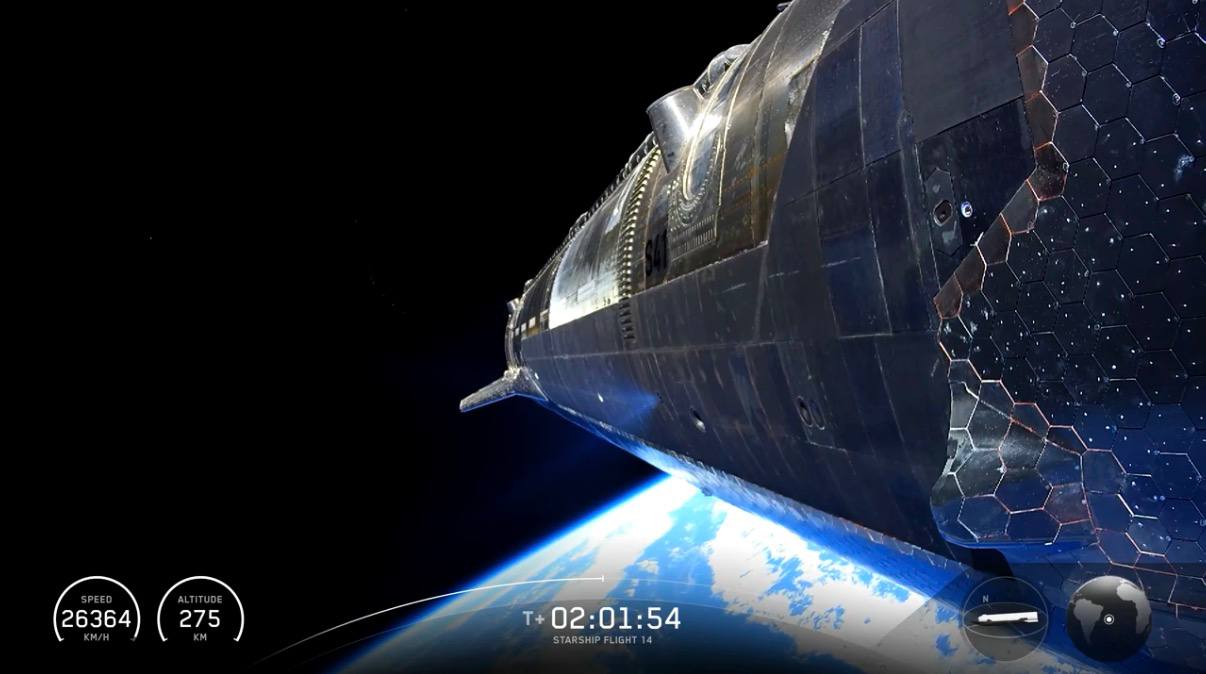
Starship Reaches Orbit for First Time, Deploys 26 Starlink V3 Satellites
Earlier Starship missions reached space and demonstrated satellite deployment, but Flight 14 placed a working payload into Earth orbit. The flight showed how SpaceX intends to use Starship to expand Starlink far faster than it can with Falcon 9. The Super Heavy booster splashed down in the Gulf following stage separation. Starship remained in orbit,…
-

SpaceX Sets Starship’s First Orbital Flight for Sept. 28 With Starlink V3 Deployment
Starship Flight 14, also designated Starlink Group 31-1, is scheduled to lift off at 7:15 am CDT with a 75-minute launch window. Backup opportunities run from Sept. 29 through Oct. 4. The flight follows a suborbital test program that SpaceX pursued specifically to avoid stranding an uncontrolled 52-meter-long, nine-meter-wide, 160-metric-ton vehicle in orbit. Those missions…
-

China Sets 2030 Targets for Next-Generation Communications and Low-Earth-Orbit Satellite Internet
China will accelerate construction of low-Earth-orbit satellite internet systems and integrate satellite networks more closely with terrestrial communications infrastructure under its 15th Five-Year Plan, including the development of direct-to-device satellite services and satellite Internet of Things applications. The space-based network will form part of a wider program to establish a high-performance national communications system by…
-
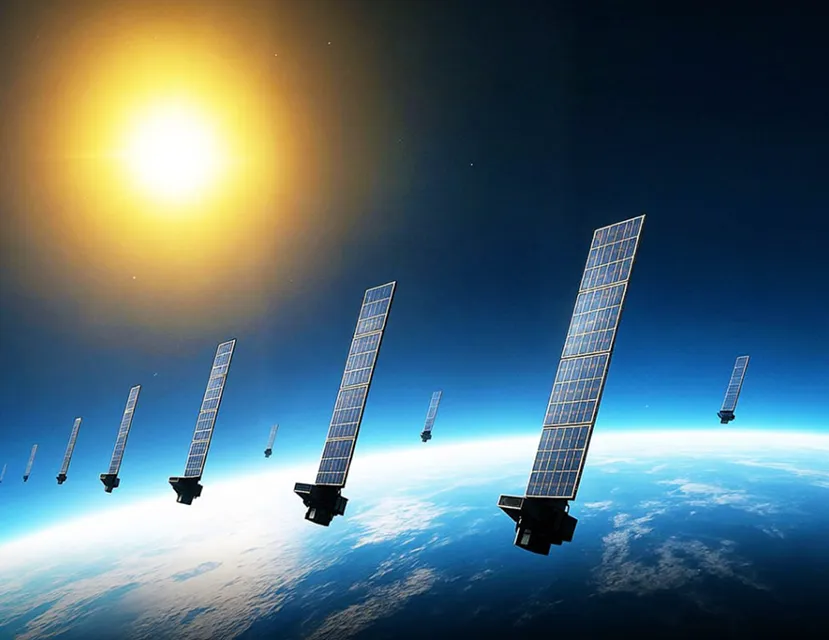
Elon Musk Says Starlink Could Carry Most Global Internet Traffic Within a Decade
SpaceX Chief Executive Elon Musk said on September 23, 2026, that Starlink could carry the majority of global internet traffic within ten years, an ambitious forecast tied to the deployment of higher-capacity Starlink V3 satellites and proposed Starmind spacecraft combining broadband connectivity with orbital computing. The projection would represent a fundamental change in internet infrastructure.…
-
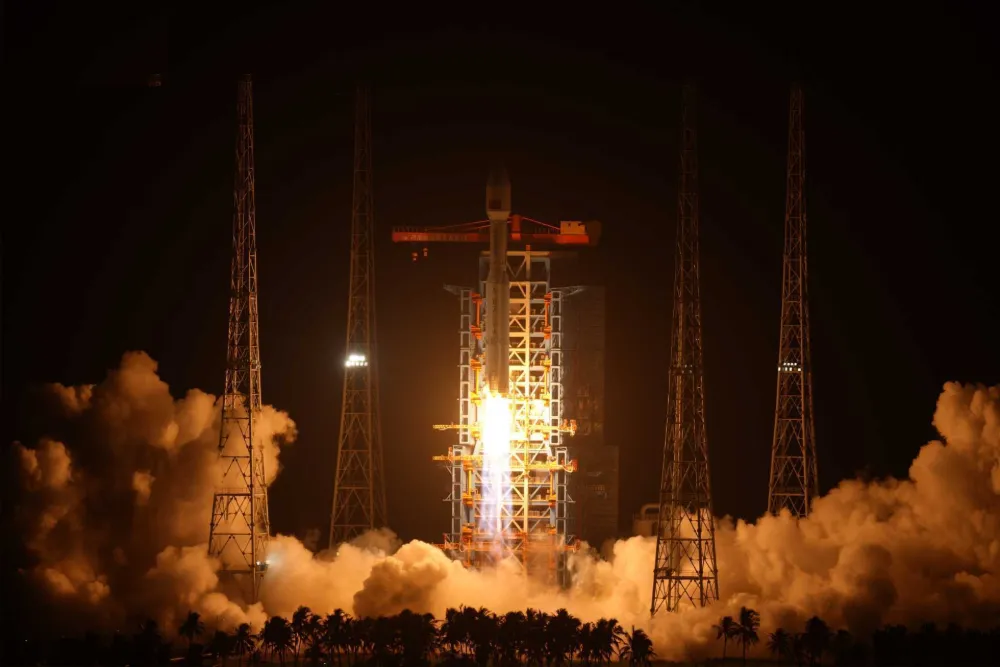
China Launches Satellite Internet LEO Group 26 on Long March 8A (Video)
China launched its 26th group of low-Earth-orbit satellite internet spacecraft aboard a Long March 8A rocket at 9:32 p.m. Beijing time on September 23, 2026. The rocket lifted off from the Hainan Commercial Space Launch Site and successfully placed the satellites into their designated orbit, continuing the country’s accelerated deployment of space-based broadband infrastructure. The…
-

Ku, Ka and Q/V Bands in Satellite Internet: What Are They, and Why Are Different Bands Used?
A ship is at sea. A phone connects to the vessel’s satellite terminal, and a webpage image finally appears. The image first travels from the terrestrial internet to a gateway, passes through a satellite and then reaches the ship. Following this transmission path helps explain why Ku, Ka, Q and V bands perform different roles.…
-
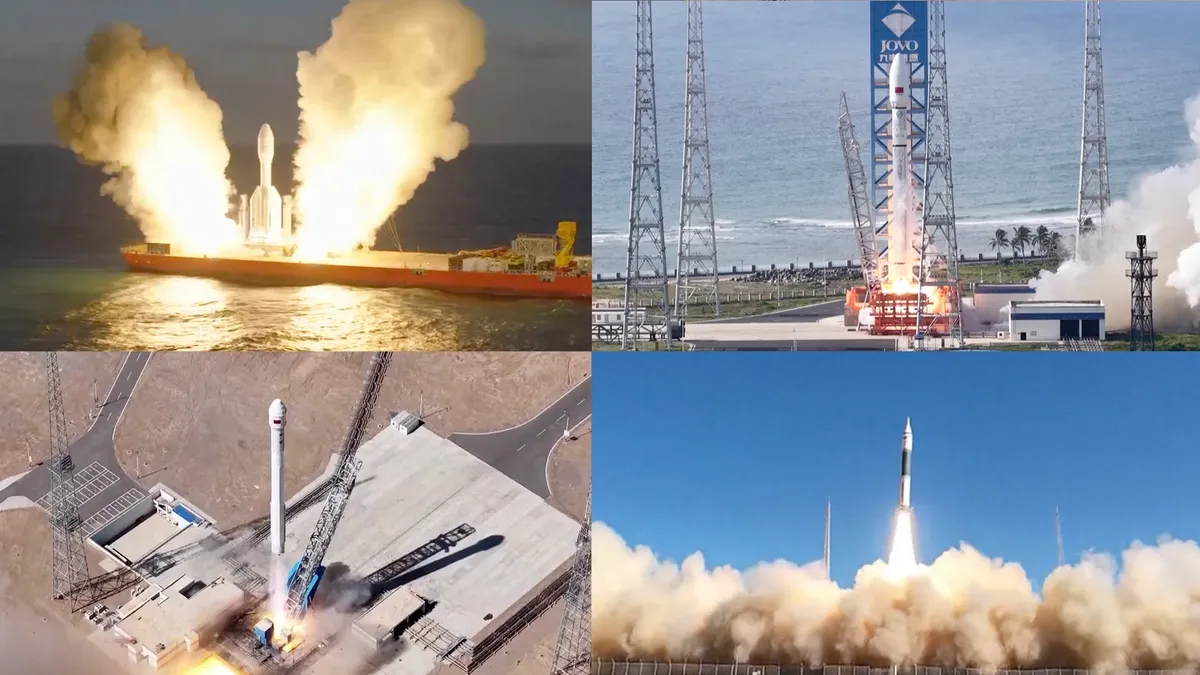
China Launches Four Rockets in 45 Hours as Broadband Constellation Deployment Accelerates
China completed four orbital launches with four different rockets in just over 44 hours between September 15 and 17, 2026, deploying satellites from Jiuquan, an offshore platform east of Shanghai, and the Hainan Commercial Space Launch Site. The sequence involved two commercially developed launch vehicles and two rockets operated by state-owned groups, highlighting the growing…