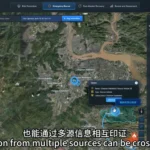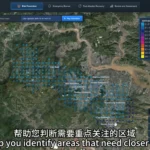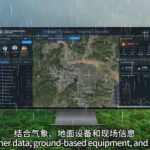
Wildfire detection speed depends on satellite observation timing, data availability and processing time. A platform that operates around the clock does not mean satellites continuously observe every part of a forest, or that every fire will trigger an alert within a fixed period.
Understanding these different timings helps forestry teams plan duty coverage and assess whether a monitoring service meets local needs.
What is the difference between platform availability, satellite updates and processing time?
Platform availability means the system can remain operational, receive information and support users’ work. The STARPATH GLOBAL wildfire monitoring platform supports 24/7 online operation.
Satellite update frequency describes how often new observations can be obtained. When sufficiently frequent satellite data is available, the platform can acquire and analyse fire information approximately every 10–15 minutes. This depends on the available data and should not be interpreted as a guaranteed update interval for every location and situation.
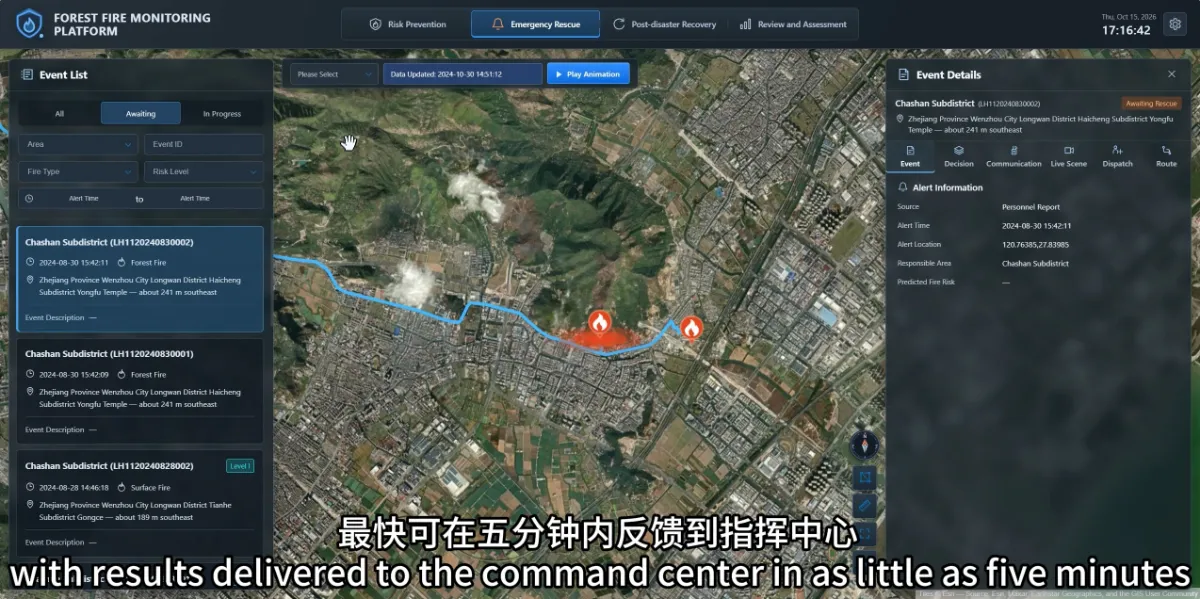
Processing time begins after valid data enters the system. According to the platform introduction, its in-house algorithms identify and locate hotspots, with results delivered to the command centre in as little as five minutes after valid data is received.
Does “as little as five minutes” mean an alert within five minutes of ignition?
No. The starting point is receipt of valid data, rather than the moment a fire starts.
The time between ignition and an alert may include waiting for the next usable observation, acquiring and transmitting data, processing the observations and sending notifications. Fire size and observation conditions can also affect whether an anomaly is detected.
The approximate 10–15-minute update interval and the minimum five-minute processing time should therefore not be added together and presented as a fixed ignition-to-alert time.
What should forestry teams ask when choosing a monitoring service?
Teams should ask about the data sources available for their specific forest area, expected update frequency, verification options when observations are affected and how alerts reach the responsible staff.
The practical benefit of timely monitoring is that detectable anomalies can enter verification and response workflows sooner. Combining satellite monitoring with patrols, ground equipment and field reports helps teams make better use of that information.