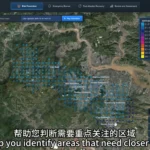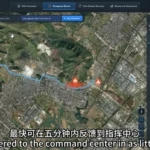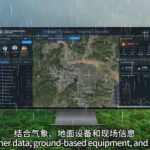
Start by checking the alert’s location, time and responsible management area, then arrange verification under established fire management procedures. A satellite alert identifies a suspected anomaly that still needs to be assessed alongside field conditions.
An alert becomes useful when it reaches the right people promptly and its verification results and subsequent actions remain traceable.
Step 1: Understand where the alert points
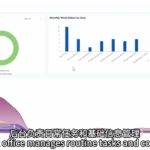
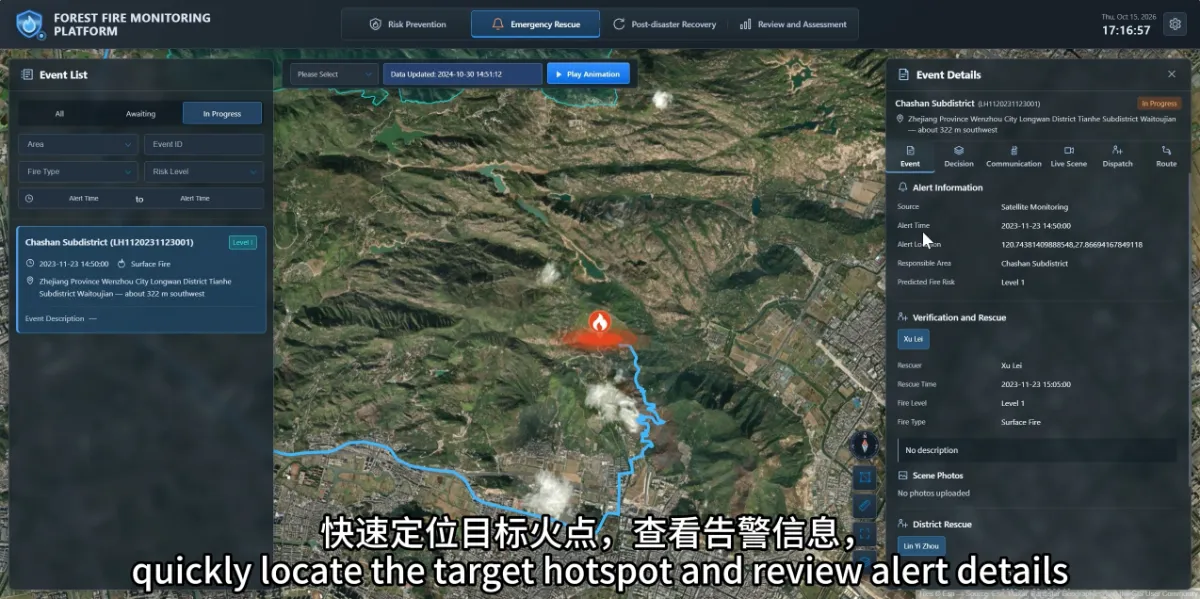
When an alert is triggered, the STARPATH GLOBAL wildfire monitoring platform records key information, automatically creates a work order and sends SMS alerts to relevant personnel.
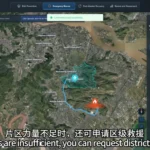
Duty staff can filter incidents, locate the target hotspot on the map and review information such as the alert time, level and responsible area. They should establish whether the information concerns a new incident or an update to an existing one, and who is currently responsible for following it up.
A hotspot marker helps locate an area requiring investigation. A single marker does not define the full boundary of a fire.
Step 2: Contact the responsible people for verification
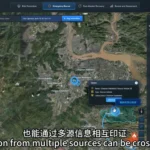
After reviewing the responsible area, nearby equipment and available teams, staff can contact the appropriate personnel and use ground cameras, drones and field reports to support verification.
The key questions include whether a fire is present, what is currently known, whether nearby important sites may be affected and whether further response is required.
A satellite-detected thermal anomaly is not necessarily a forest fire. Field verification helps distinguish between situations and provides more specific information for subsequent action.
Step 3: Record the findings and follow-up actions
Verification feedback, task assignments and incident progress should be recorded promptly. This helps incoming duty staff continue follow-up and allows commanders to understand the current situation.
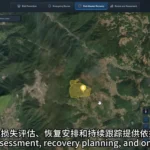
If a response is required, staff can review weather, terrain, nearby sites and available resources to support assessment and coordination. Actions should follow the organisation’s response plans and field command arrangements.
By linking alerts, work orders and incident information, the platform helps reduce repeated verbal handovers and supports a smoother transition from detection to verification and response.