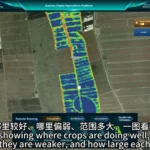
Different parts of a field may have different nutrient conditions and crop needs. Reviewing these differences can help farmers decide whether fertilizer management should vary by zone.
A uniform application may be straightforward, but it does not account for every difference in soil conditions or crop development. Monitoring provides information that can support a more targeted assessment.
How does the platform support fertilizer planning?
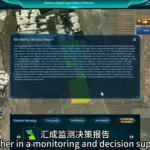
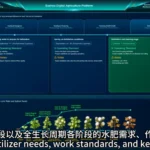
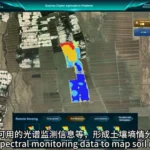
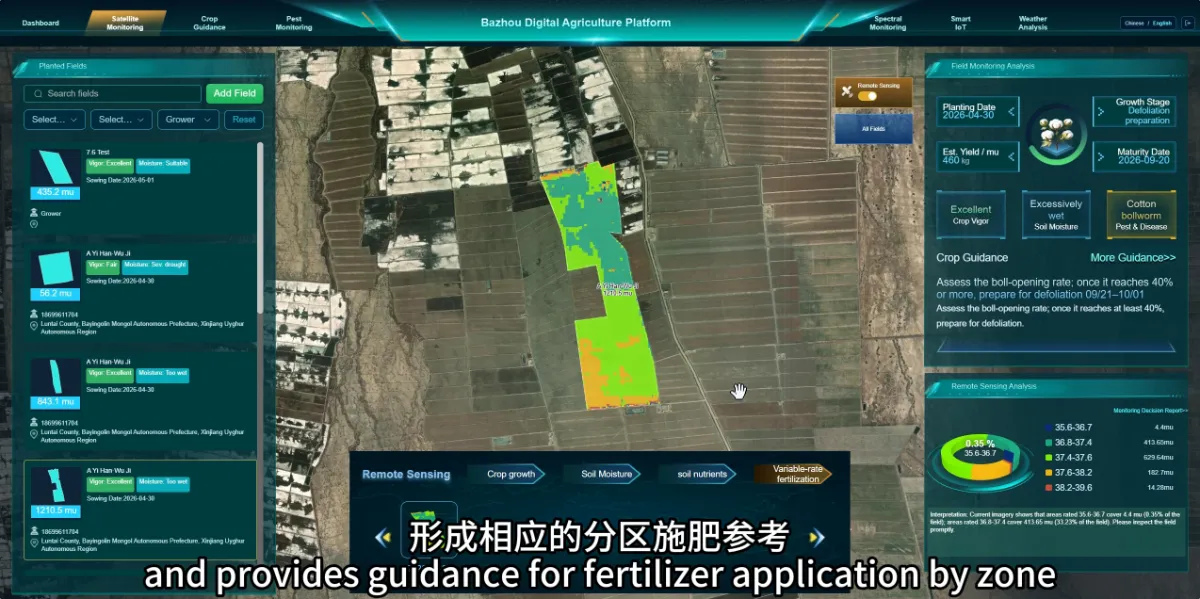
The STARPATH GLOBAL agricultural monitoring platform presents nutrient-related analysis and variable fertilization zones.
It considers nutrient distribution alongside the crop’s needs at its growth stage to provide zone-based fertilizer guidance. Users can review the mapped differences and identify areas requiring further assessment before arranging applications.
These results are management references. Specific fertilizer products and application rates need to be determined using appropriate agronomic information.
Does satellite monitoring replace soil testing?
Satellite observations provide information about crop and surface conditions. Nutrient-related assessments involve interpretation and supporting analysis; they are not a direct laboratory measurement of every nutrient in the soil.
Soil tests, field observations, previous fertilizer applications and crop history remain useful when assessing nutrient needs.
Combining these sources helps farmers understand whether a weaker area is associated with nutrition or another issue requiring a different response.
How can zone-based guidance be used in practice?
Farmers can begin by reviewing the zones, checking representative locations and discussing the findings with their agronomic adviser or service team.
The resulting plan should reflect the crop, soil conditions, previous management and available application equipment.
The aim is to direct fertilizer decisions toward areas where a need has been established. Actual savings and crop responses depend on the quality of the assessment and the way the plan is implemented.