The European Space Agency has issued a call to tender for a study into the uncontrolled atmospheric re-entry and breakup of a SpaceX Falcon 9 upper stage that scattered debris across Poland in February last year, highlighting growing concerns over re-entry risks as global launch activity accelerates.
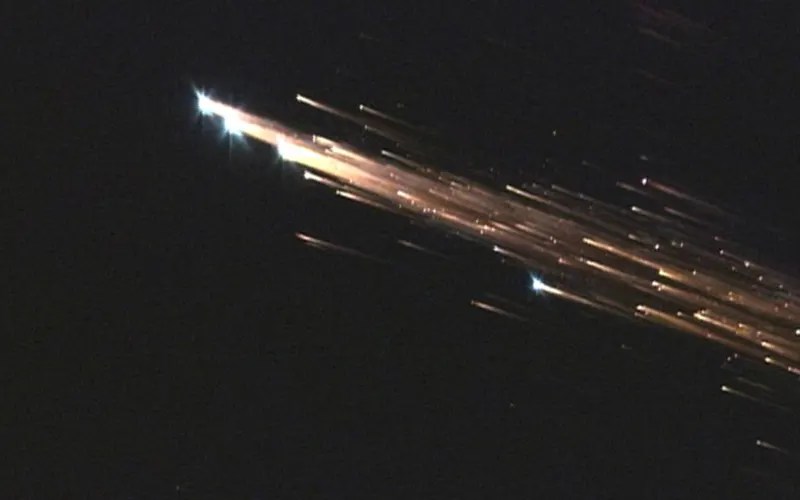
In the early hours of Feb. 19, 2025, a Falcon 9 second stage re-entered the atmosphere over Poland without control, with at least four fragments surviving re-entry and landing at multiple locations, including in a populated area. No injuries or property damage were reported. The incident later contributed to the dismissal of the head of the Polish Space Agency after re-entry information was misdirected within the defence ministry.
ESA’s Space Safety Programme published the tender on Jan. 21, seeking a study that would use publicly available data from the event to improve predictions of how elongated rocket upper stages break up during destructive re-entry at very low Earth orbit altitudes, below about 150 kilometres.
“Understanding the physics and dynamics of destructive re-entry in this regime still involves considerable uncertainties,” ESA said in the tender documentation, noting that access to SpaceX’s proprietary flight data is unlikely.
The agency said lessons from the analysis would be used to draw broader conclusions on re-entry predictability and associated risks, as well as to support educational outreach and awareness efforts.
The issue is becoming more pressing as launch rates climb sharply. Public statistics show that the number of orbital rocket launches has risen from about 80 in 2015 to 317 successful missions in 2025, increasing the frequency of uncontrolled upper-stage re-entries worldwide.