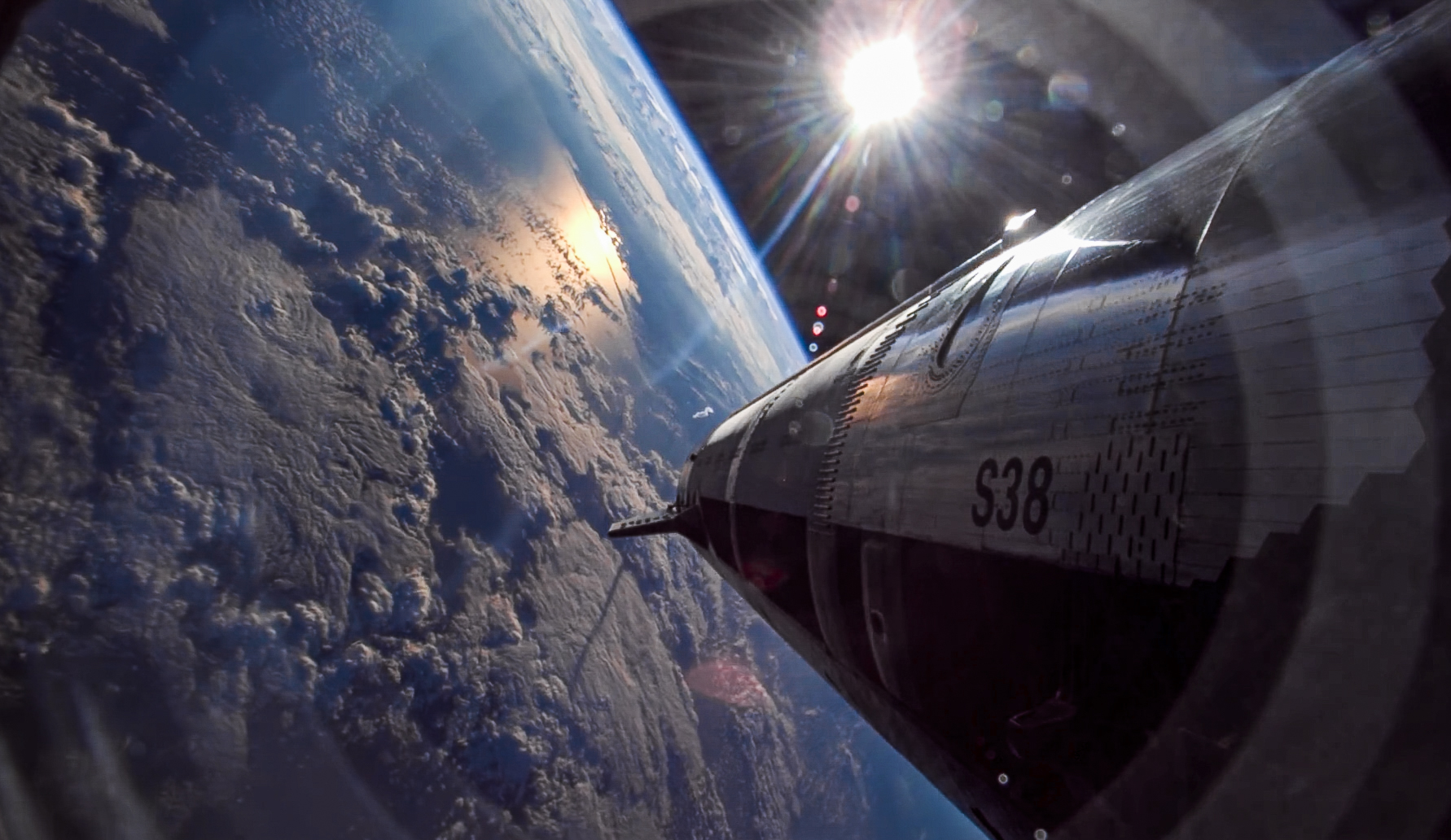
SpaceX has acquired xAI, the artificial intelligence firm founded by billionaire Elon Musk, as he moves to consolidate more of his technology businesses under a single structure.
The transaction values SpaceX at around $1 trillion and xAI at about $250 billion, according to a source familiar with the deal. Financial terms were not disclosed.
SpaceX confirmed the acquisition on Monday, publishing an internal memo from Musk that described the merger as the creation of an “innovation engine” combining artificial intelligence, rocket launch systems, space-based internet infrastructure and media platforms.
SpaceX has acquired xAI, forming one of the most ambitious, vertically integrated innovation engines on (and off) Earth → https://t.co/3ODfcYnqfg pic.twitter.com/el40rCUBGe
— SpaceX (@SpaceX) February 2, 2026
“In the long term, space-based AI is obviously the only way to scale,” Musk wrote in the memo, arguing that rising global demand for computing power cannot be met solely with terrestrial infrastructure. He said deploying AI-focused satellites would be an immediate priority.
The acquisition follows a series of internal restructurings across Musk’s business empire. Last year, xAI was combined with his social media platform X, while electric vehicle maker Tesla disclosed a $2 billion investment in xAI. Musk has previously told Tesla investors that he sees xAI as a central intelligence layer coordinating robotics and automation within Tesla factories, a strategy that has drawn questions from some shareholders about resource allocation.
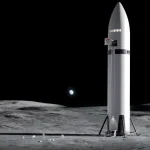
In his memo, Musk said advances enabled by space-based data centres could eventually support self-sustaining lunar bases, human settlements on Mars and broader expansion of economic activity beyond Earth.
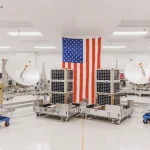
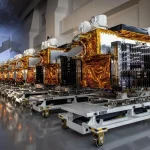
SpaceX has already filed plans with U.S. regulators to deploy large numbers of satellites that could support orbital data centre capabilities, building on its existing Starlink constellation.
The move underscores Musk’s long-term ambition to tightly integrate artificial intelligence, space technology and advanced manufacturing into a single ecosystem, positioning SpaceX as both a launch provider and a backbone for next-generation computing.