
Tag: Earth observation
-
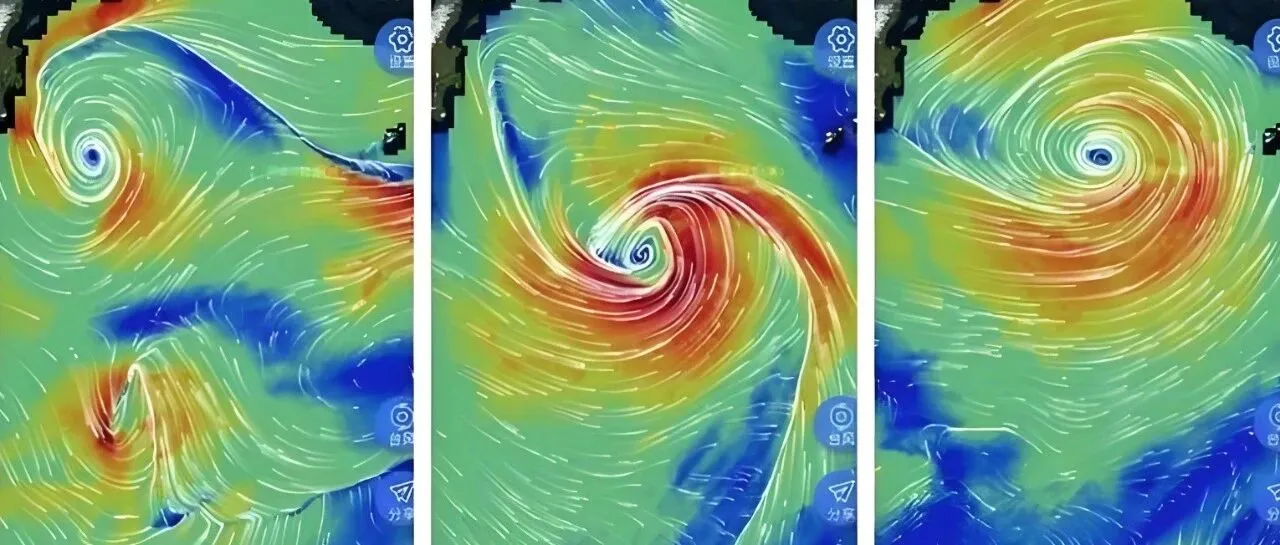
AI + Ocean Satellite Remote Sensing: A New Possibility for Marine Environmental Services
Marine environmental information is fundamental to major national projects and offshore activities, while satellite remote sensing is one of the most important tools for understanding the ocean. Could artificial intelligence make marine environmental services more timely and better able to meet the practical needs of marine engineering, maritime transport, aquaculture and underwater exploration? Why Is…
-

Danube Drought Cuts Nuclear Output: How Satellites Support Water–Energy Risk Monitoring
On 20 August 2026, Bulgaria’s Ministry of Energy and Kozloduy Nuclear Power Plant announced that Unit 5 would be reduced by approximately 120 MW on 21 August as a preventive measure in response to the Danube’s continuing decline to critically low levels. The reduction was equivalent to roughly 12% of the unit’s approximately 1,000 MW…
-

Muon Space Raises $250 Million to Scale Satellite Constellation Production
Muon Space has raised $250 million in a Series C financing round as the California satellite developer moves to expand spacecraft production, broaden its dual-use satellite platforms and support a growing pipeline of commercial, government and international sovereign customers. The oversubscribed financing, announced Aug. 20, brings Muon Space’s total equity funding to more than $386…
-
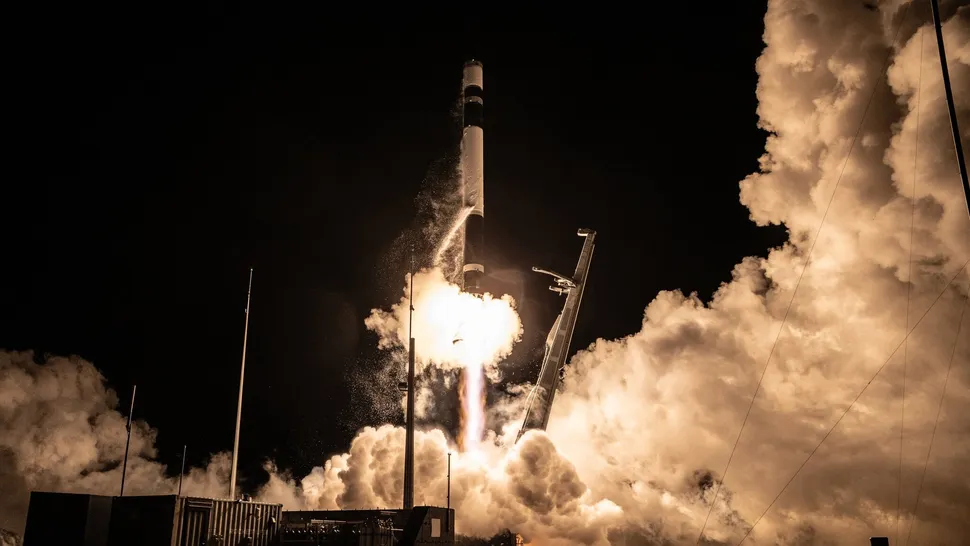
Rocket Lab Targets Ninth iQPS Mission as Japanese SAR Constellation Accelerates Toward Near-Real-Time Earth Observation
Rocket Lab is preparing to launch another Japanese synthetic aperture radar satellite on Aug. 20, adding a new spacecraft to one of the fastest-growing commercial Earth-observation constellations in Asia. The mission, named “The Lightning God Defends,” is scheduled to lift off aboard a Rocket Lab Electron from Launch Complex 1 on New Zealand’s Māhia Peninsula,…
-

U.S. Space Force Extends Aging Weather Satellites Through 2028 as New Military Weather Architecture Takes Shape
The U.S. Space Force will keep its aging Defense Meteorological Satellite Program (DMSP) spacecraft operating until at least 2028, extending the life of a satellite fleet that was originally designed for much shorter missions but remains important to military weather forecasting. The decision highlights a transitional period in U.S. military space weather: the Space Force…
-
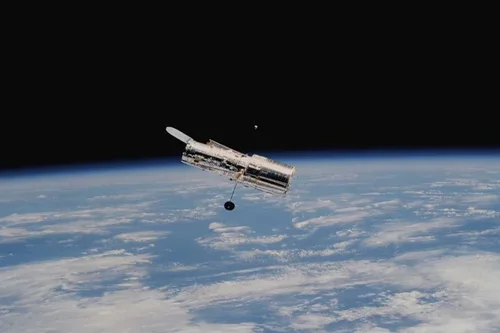
Rwanda and Planet Labs Launch National Satellite Data Program for Government, Universities and Startups
The Government of Rwanda has partnered with Planet Labs to establish a national satellite data program that will provide near-daily Earth observation imagery to government agencies, public universities, selected startups and strategic development partners. Managed by the Rwanda Space Agency, the program is designed to make satellite imagery a more routine component of national decision-making,…
-
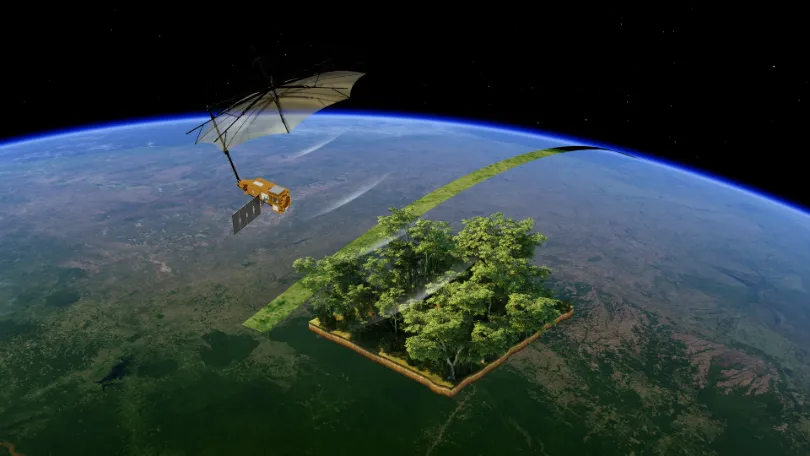
From Carbon Emissions to Carbon Sinks: How Satellites Support Carbon Monitoring
As the world continues to pursue net-zero targets, carbon data is becoming an increasingly important foundation for climate governance, corporate emissions reduction, and ecosystem management. Countries need to quantify and assess greenhouse gas emissions more accurately. Companies need an ongoing understanding of emissions changes across their operations and associated facilities. Carbon markets and carbon projects…
-

China’s New Space Contest Will Be Fought With Commercial Satellites
Over the past decade, the commercial space industry has transformed satellites from assets reserved for national-level missions into industrial products that can be mass-produced and deployed on demand. As thousands of low-Earth-orbit broadband, remote-sensing and navigation satellites form constellations, space is taking on the characteristics of infrastructure for the first time—continuously providing connectivity, observation and…
-

Network Rail Tests Satellite Analytics To Predict Flooding And Vegetation Risks
Network Rail, the owner and operator of Britain’s railway infrastructure, has partnered with Earth observation analytics company CATALYST, part of PCI Geomatics, on a 12-week pilot exploring how satellite data could help identify weather-related risks to railway infrastructure across the Wessex Route before disruption occurs. The pilot brought together Network Rail’s Wessex Route Operations and…
-
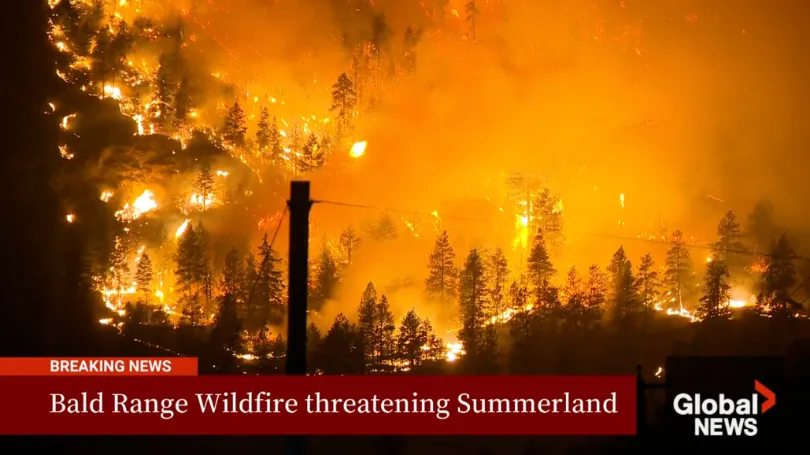
The Bald Range Wildfire Exploded in Size Within Hours: How Satellite Data Can Close the Speed Gap Between Disaster and Decision-Making
The Bald Range wildfire in British Columbia’s Southern Interior was first reported on the evening of August 7, 2026. According to local emergency officials, it grew to approximately 50 square kilometres within about three hours. By the afternoon of August 8, it had burned more than 100 square kilometres and advanced roughly 15 kilometres toward…